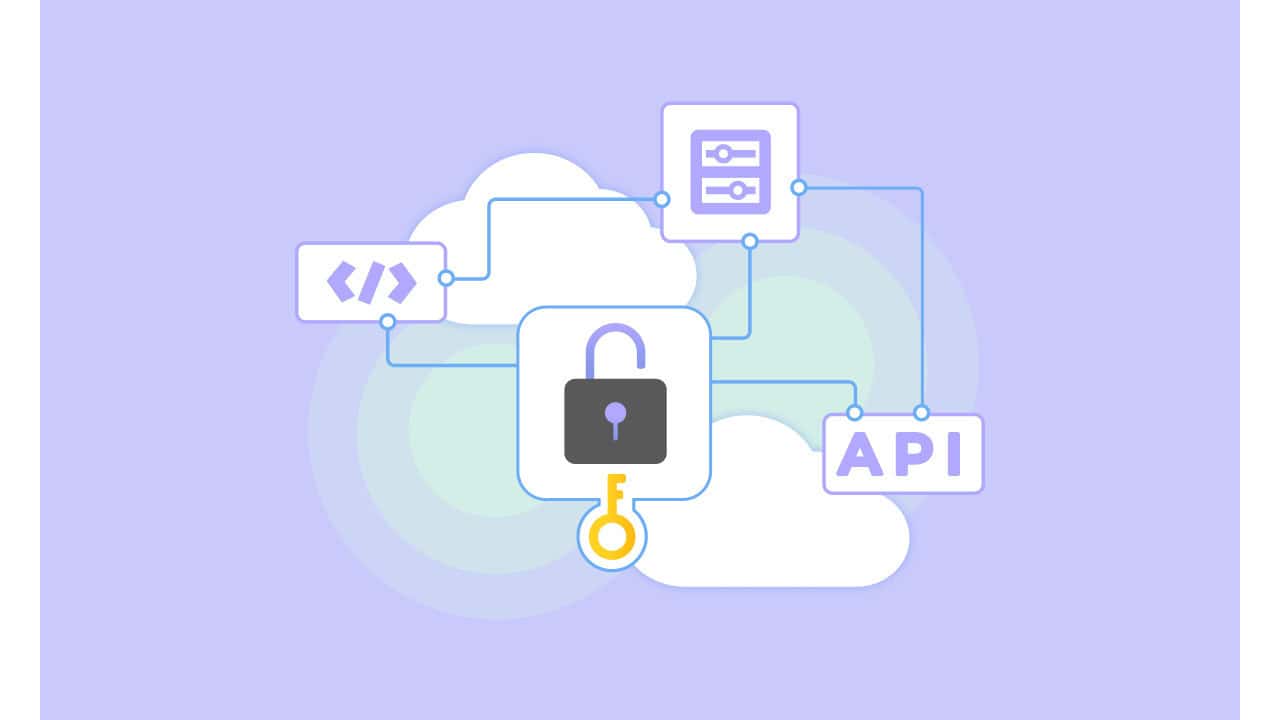
Samsung is changing how developers access its SmartThings smart home API, moving to a tiered, paid system starting in October 2026. Free access stays in place through the end of the third quarter of 2026, and Samsung says no new limits or shutdowns will kick in before October 2026. The company is adding paid commercial plans for businesses and a low monthly subscription for individual tinkerers who use the API for personal projects. As of August 2026, exact rate limits have not been shared. The SmartThings API team has said it chose a paid personal plan rather than a free tier for direct, programmatic API access, on the grounds that a sustainable free tier would need limits tight enough to break the always-on automations hobbyists depend on.
The company says this shift is about supporting a larger and more demanding platform. SmartThings now reports more than 460 million registered users and hundreds of Works With SmartThings partner brands. Its API is used by rental management tools, energy platforms, smart home dashboards, and third-party hubs and apps that plug into SmartThings devices. Samsung’s message is that as more companies and hobbyists lean on its servers, it needs a more structured model to keep things reliable and secure.
Under the new setup, SmartThings will have dedicated commercial API tiers for business use, plus a low-cost monthly plan for non-commercial, individual developers. Samsung describes the premium tiers as offering higher rate limits, access to its full multi-protocol smart home ecosystem, and tighter hooks into Samsung services and devices. That includes support for Matter, cloud-to-cloud connections, Zigbee, and Z-Wave, wrapped into what it pitches as an “enterprise-grade” backend for partners that want to scale up their own products or dashboards. The company also says onboarding will be faster and day-to-day API management will be more straightforward once the new structure lands.
People who simply run the SmartThings app with Works With SmartThings partner products are not pulled into these changes at all. If you just open the SmartThings app on your phone to control your lights, plugs, locks, or TV and don’t connect any outside tools, you can ignore the API announcement. The new tiers and possible charges apply to third-party services and custom tools that call the SmartThings API directly. Samsung is stressing this point to calm regular users who might worry that their basic app experience is going behind a paywall.
The bigger impact lands on third-party services, especially self-hosted smart home platforms that talk to SmartThings in the background. One of the most visible of these is the Home Assistant SmartThings integration, and the Home Assistant project has since confirmed it will be affected, labeling the change a breaking one. Home Assistant relies on SmartThings APIs to receive device updates and send commands between the two systems. Once the paid plan arrives in October 2026, the Home Assistant docs say affected users will need to subscribe or move those devices to local Zigbee or Z-Wave to avoid a service disruption.
For Home Assistant users, the safest move is to decide before October 2026 whether to pay for the personal plan or move those devices onto local connections (where possible). That means checking how many SmartThings devices are linked to Home Assistant, which of them could run locally over Zigbee or Z-Wave instead, and whether multiple family members or apps are hitting the same API connection. Users who run heavy dashboards, rapid status updates, or frequent cloud-based automations will feel it most, but any setup that connects through the OAuth-based API route Home Assistant relies on will need the paid plan, since there is no free threshold announced for it. Home Assistant’s developers have already published guidance, flagging this as an upcoming breaking API change and telling users to subscribe or move those devices to local Zigbee or Z-Wave before the switchover.
Samsung’s move also raises questions about how smart home platforms treat API access for hobbyists in general. As of August 2026, Google, Amazon, and Apple do not charge individual users a subscription just to connect their own smart home gadgets or automations through official APIs. Their developer programs have policies, review steps, and some limits, and Google charges a one-time registration fee for its Nest device API, but none of them bill everyday users on a recurring basis to link smart speakers, displays, and apps. SmartThings is breaking from that pattern by adding a low monthly plan aimed specifically at non-commercial developers, with no free tier sitting underneath it for direct API access.
For developers and companies building on SmartThings, the remaining weeks before October 2026 are a planning window. Free API access continues through Q3 2026, and Samsung has promised no new usage limits or phase-outs before October 2026, so existing apps and tools will not be cut off overnight. At the same time, SmartThings has said it opted against a free tier for direct API access, and no one yet knows how generous the rate limits will be for the different paid tiers. That means anyone who depends on SmartThings connectivity for a product, service, or personal smart home should keep an eye out for updated documentation and pricing details, then decide whether to adjust their usage, switch platforms, or budget for a paid tier once the new model goes live.
View the original press release.