Robot mop habits that finally make the floors stay clean are simple things like vacuuming first, topping up clean water daily, and actually washing those gross mop pads on a schedule. Whether you run a Roborock S8, Dreame X40, Ecovacs Deebot X2, iRobot Roomba Combo, or Eufy X10 Pro Omni, a few small tweaks can turn “this thing just smears stuff” into “my floors look freshly mopped most days.” Keep reading to steal the habits that make your robot mop pull its weight.
Vacuum First, Then Mop
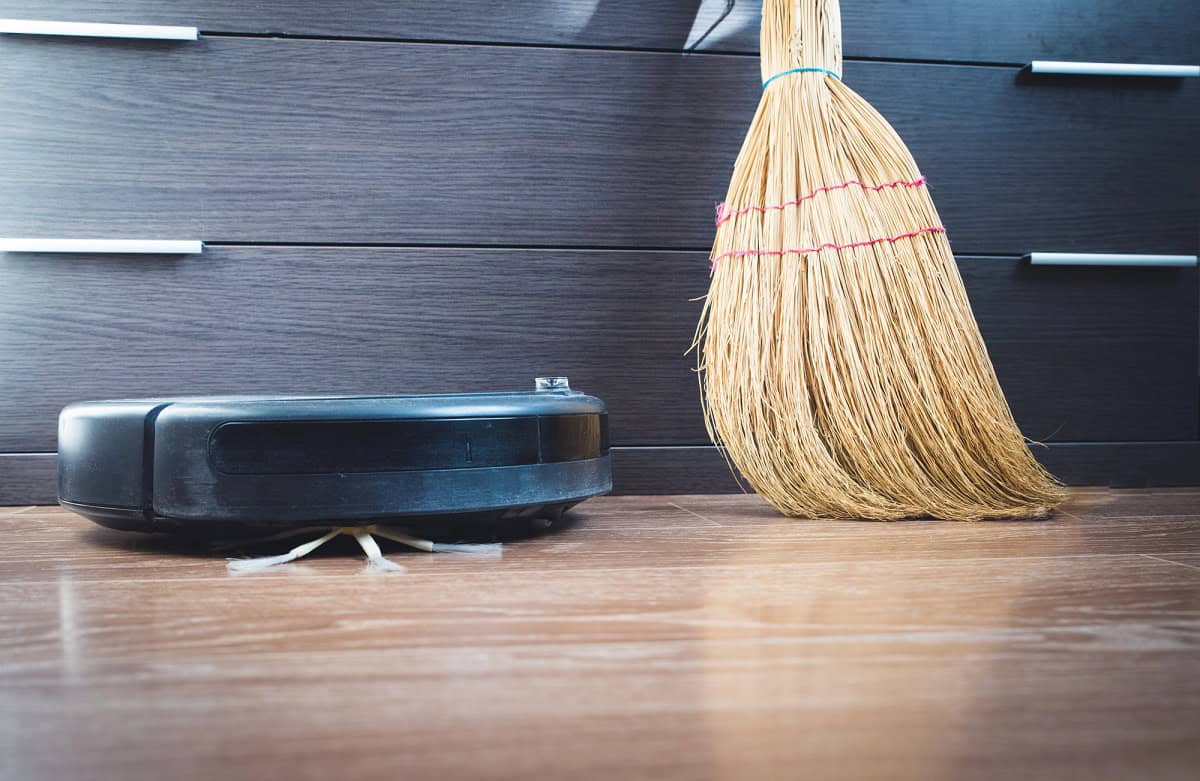
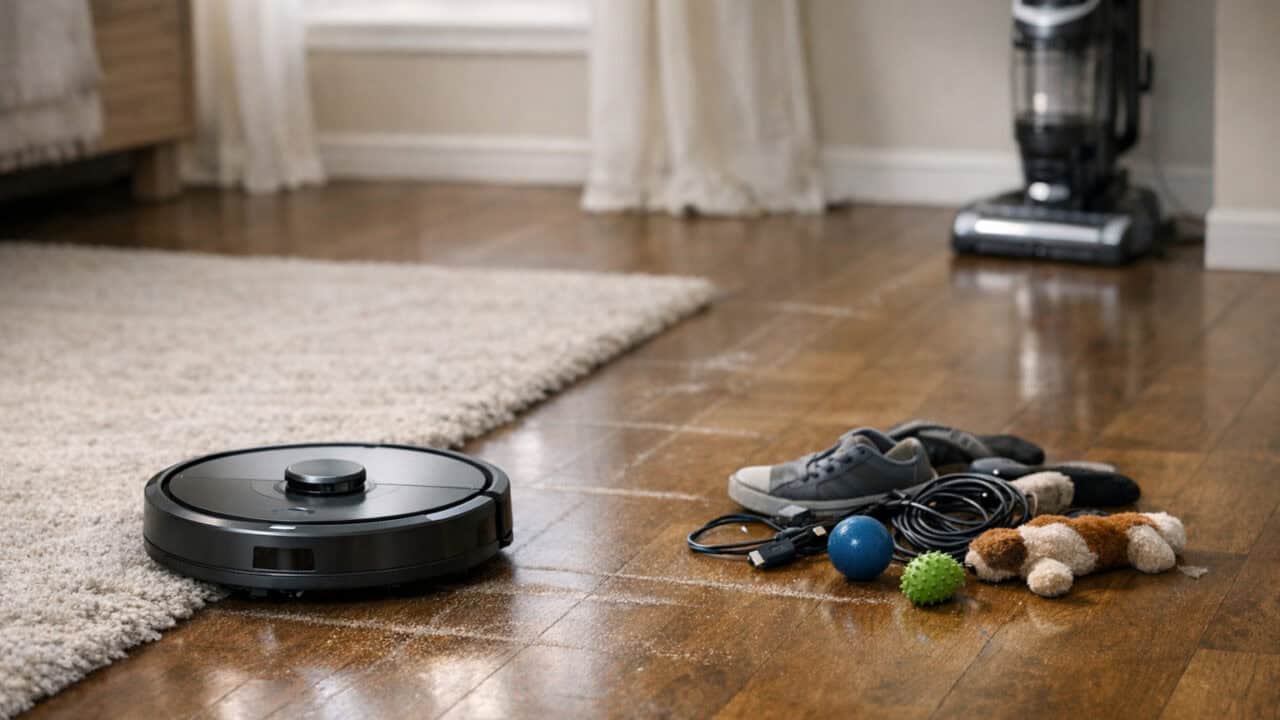
Vacuuming before you mop is the single habit that keeps robot mops from smearing grime into sticky streaks. Pure moppers and even flagship hybrids like the Roborock S8 series, Dreame X40, and Eufy X10 Pro Omni are terrible at picking up loose crumbs in a mopping run. If your bot can both vacuum and mop, set it to do a vacuum‑only pass first, then send it out again in mop mode or with mopping turned on for the second run. People who say “my Ecovacs Deebot X2 just made muddy tracks” almost always skipped that vacuum pass or tried to mop a floor that hadn’t been vacuumed in days.
Refill Clean Water Daily and Empty Dirty Water Fast
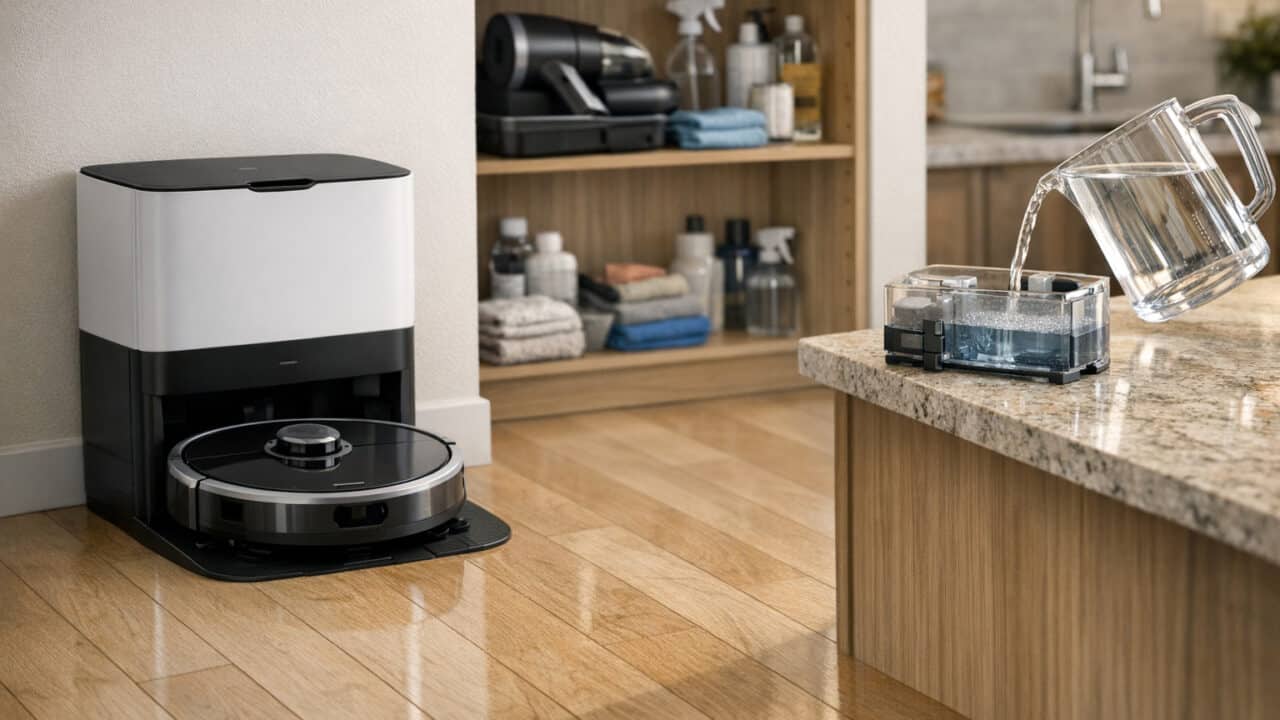
Refilling the clean water tank daily and dumping the dirty water the same day is the single habit that keeps your robot mop from turning into a smell machine. The clean tank on a Roborock S8 Pro Ultra, Dreame X40 Pro Ultra, or Ecovacs Deebot X2 can grow a slimy biofilm in under 24 hours if water just sits there, and the dirty tank is even worse, with visible gunk by the next morning. Auto-wash docks like Roborock’s RockDock Ultra or Ecovacs OMNI handle some of the dirty work, but you still need to top off the fresh water, give both tanks a quick rinse under the sink once a week, and leave the caps open for a few minutes to air out.Emptying that nasty water fast also keeps your floors from being “cleaned” with the same gray soup over and over. If you let the robot keep reusing day-old water, the mop pad on your Eufy X10 Pro Omni or Roomba Combo ends up smearing bacteria and fine dirt around instead of lifting it, which is why some people think robot mops “don’t work.” Treat it like a tiny dishwasher: fresh water in before a run, dirty water out after, and your floors stay noticeably cleaner with zero extra scrubbing on your part.
Draw No-Mop Zones Before Your First Real Run
Drawing no-mop zones before your first real run is the habit that keeps your rugs dry and your robot from shoving pet water bowls across the room. In the Roborock app, Ecovacs Home, Dreamehome, iRobot Home, and eufy Clean apps, you can set “mop restricted” or “no-mop” zones that are separate from vacuum settings, so your Roborock S8 or Eufy X10 Pro Omni can still vacuum rugs but never drag a wet pad over them. Start by blocking off area rugs, floor vents, pet food and water stations, and that pile-of-shoes zone near the door that always has grit and road salt. People who skip this step are the ones posting “my Deebot soaked my rug” complaints, while the folks who spend five minutes drawing zones rarely deal with soggy textiles or tipped bowls.
Wash or Rotate the Mop Pad Every Week
Wash or rotate the mop pad every week as a rule, even if your dock says it just “self-cleaned” it. On a Roborock S8, Dreame X40, Ecovacs Deebot X2, or Eufy X10 Pro Omni, the pad can look fine after the dock scrub, but a grey, matted microfiber pad is mostly just smearing old dirt and bacteria around. Toss the pad in the washing machine on cold with regular detergent and no fabric softener, then air-dry it so the fibers stay grabby instead of slick.If you run your robot 3 to 5 times a week, keep a second pad and swap them out every Sunday so one is always clean and dry. Plan to replace the pads every 2 to 3 months, even on premium docks with hot-water pad washing, because the fibers slowly lose their bite. This one habit usually makes the biggest visible difference in “my floors look actually clean” versus “why is everything still kind of grimy?”
Stick to the Brand-Approved Cleaner or Plain Water

Using only the brand-approved cleaner or plain water keeps your robot mop’s internals and your floors safe long term. Off-brand soaps and DIY vinegar mixes can gum up the tiny pump in a Roborock S8 or Dreame X40 dock, strip the finish off sealed wood, and give the manufacturer a reason to deny a warranty claim if something fails.Most brands quietly bury their approved-solution list in the manual or app, so it is worth searching your exact model (like Ecovacs Deebot X2 or Roomba Combo) before pouring anything new into the tank. If you want a stronger clean for sticky kitchen spots, use the official solution at the recommended dilution, then spot-treat anything extra-grimy by hand instead of turning the water tank into a random chemistry experiment.
Give the Floor 30 to 60 Minutes to Dry

Giving your floors a full 30 to 60 minutes to dry after a robot mop run is the difference between “freshly cleaned” and “instantly re-dirty.” Even if your Roborock S8, Dreame X40, or Eufy X10 Pro Omni only uses a light water flow, the surface can stay just damp enough for pets and kids to stamp visible footprints into it. That same damp layer can make hardwood slick, which is a real problem on stairs or near doorways. To avoid all that, set your mop runs for times when everyone is out of the house, like mid-morning on weekdays, so the Deebot X2, Roomba Combo, or whatever you own can finish, the floors can dry, and no one marches through the wet zones.
Summary
The single most important fact is that robot mops only keep floors truly clean when you treat them like real cleaning tools, not magic gadgets. Set a routine that pairs a vacuum pass before mopping, fresh water in the tank, and a weekly pad wash or swap. Before your next run, open the app, draw no-mop zones around rugs and pet bowls, and check the water tanks. If you stick to those small habits, your robot will quietly keep the floors looking clean most days with almost no extra work from you.