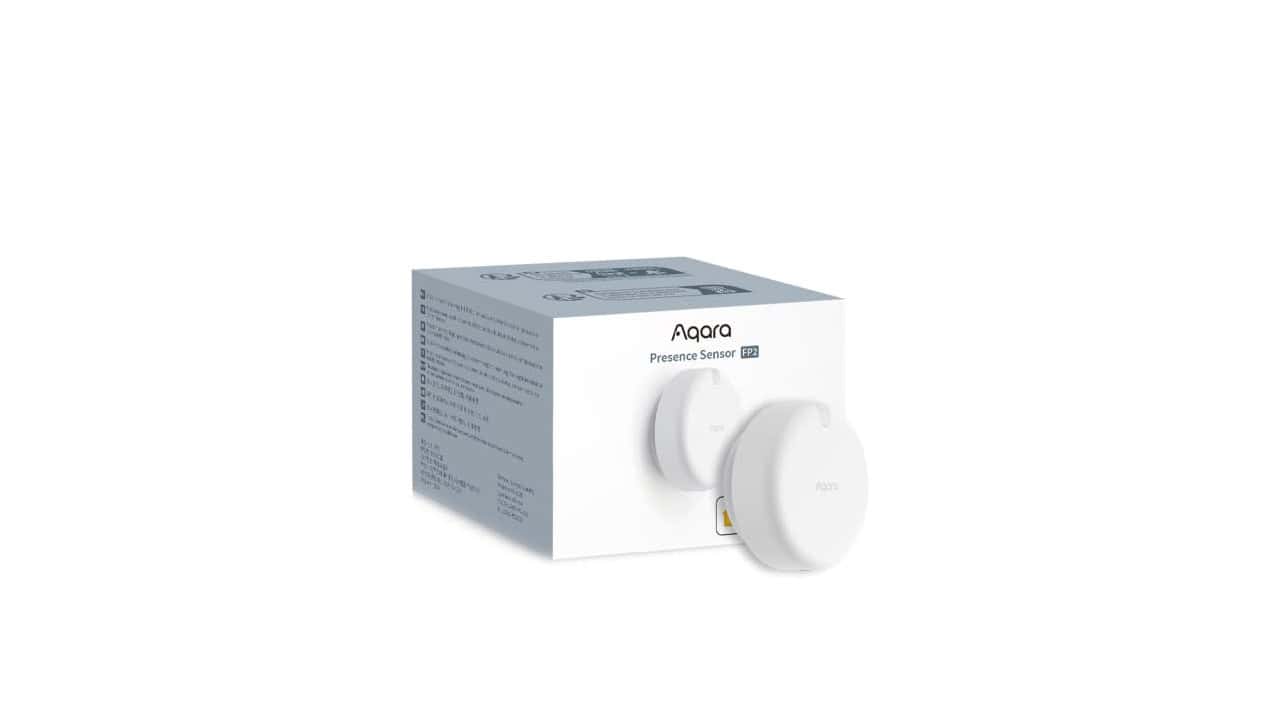
The Aqara FP2 Presence Sensor is on sale for $64.99, and if you’re trying to make your smart home a bit smarter without spending a fortune on a ton of different gadgets, this is the kind of device that pulls a lot of jobs into one. Instead of relying on basic motion sensors that only react to big movements, this one uses millimeter-wave radar, so it can tell you’re in a room even if you’re just sitting still on the couch or lying in bed scrolling your phone. That means your lights, thermostat, or other smart devices don’t shut off just because you haven’t waved your arm in a while, which is a common problem with simple motion sensors. For the price, you get much more control over how your smart home reacts to real people instead of just random movement.
One of the big reasons you’d go for this sensor over a regular motion sensor is the zone feature. You can split a single room into up to 30 small areas, like bed, desk, sofa, dining table, and so on. Then you can make different automations based on where you are. For example, you can set it so the bedside lamp turns on only when it detects someone near the bed, or the desk light comes on when you sit down to work, without lighting up the whole room. It can even track up to five people at the same time, so if you have family or roommates, your home doesn’t get confused just because more than one person is moving around. This kind of control is really nice if you’re trying to make things feel natural instead of just “on or off when someone walks by.”
The FP2 also ties into smart home setups like Apple Home, so you can use it as a trigger for scenes and automations across your other devices, not just Aqara ones. That means walking into the bedroom at night could dim the lights, lower your smart shades, and turn on a fan, all based on your presence. The built-in light sensor helps you avoid wasting energy by keeping lights off when there is enough natural light. With features like human fall recognition and sleep monitoring, it can add an extra layer of care for kids, older family members, or anyone you worry about when they’re home alone. If the sensor notices a fall or tracks that someone has gone to bed, you can set up alerts or gentle automations around that.
If you’re trying to make your smart home feel less like a bunch of separate gadgets and more like one system that reacts to how you actually live, this sensor is an easy way to do it. You get better presence detection than a basic motion sensor, more control with zones, and support for multiple people in the same room. For $64.99, it’s a good pick if you want your lights, climate, and other devices to react to where you are and what you’re doing, instead of just turning on when something moves and turning off on a timer.