Ring is rolling out a new default encryption system called TAKE that is built to give you more control over your home videos without turning off smart features. The idea is simple: Ring will use your video only long enough to run things like Smart Alerts, then delete its copy of the encryption keys so only you and people you trust can unlock and watch footage.
TAKE stands for Throw Away the Key Encryption, and it is designed as a new standard for how Ring handles video privacy. It is inspired by the same privacy ideas as end-to-end encryption (E2EE) but is better suited for people who still want features like shared access and cloud-based alerts. Ring plans to roll TAKE out in phases starting in September 2026, and once that rollout is complete, it will be the default for all Ring customers worldwide. E2EE will stay available as an optional setting for those who want an even stricter level of control.
Under TAKE, every Ring video is locked with unique, rotating encryption keys, which are like digital versions of house keys. A copy of each key is held for a short time in a secure enclave in the cloud, described as a sealed vault with strict limits on access. Ring can only use these keys to power features you have turned on in your account, such as Smart Alerts or other smart notifications. After those features are done using the key, Ring deletes its copy, leaving only the keys stored on your enrolled devices, such as your phone, tablet, or computer.
Ring compares TAKE to how you manage physical keys in your home. The lock maker does not keep a copy of your house key, but you might give a spare to a family member or a close friend. If you hire someone to work in your home, you might lend them a key just for as long as they are there, then take it back. With TAKE, you act the same way with your video access: you hold the master key and decide who gets a “spare,” such as Shared Users you add to your account, and for what purpose.
E2EE is still an option on compatible Ring devices for people who want the tightest control and are willing to give up some cloud features to get it. When E2EE is turned on, only your enrolled devices hold the encryption keys, and Ring does not have access at all. That setup shuts off Shared Users and cloud-based features by design, because the system cannot see or process the content. Even with those limits, core functions like live view and playback on your enrolled devices continue to work.
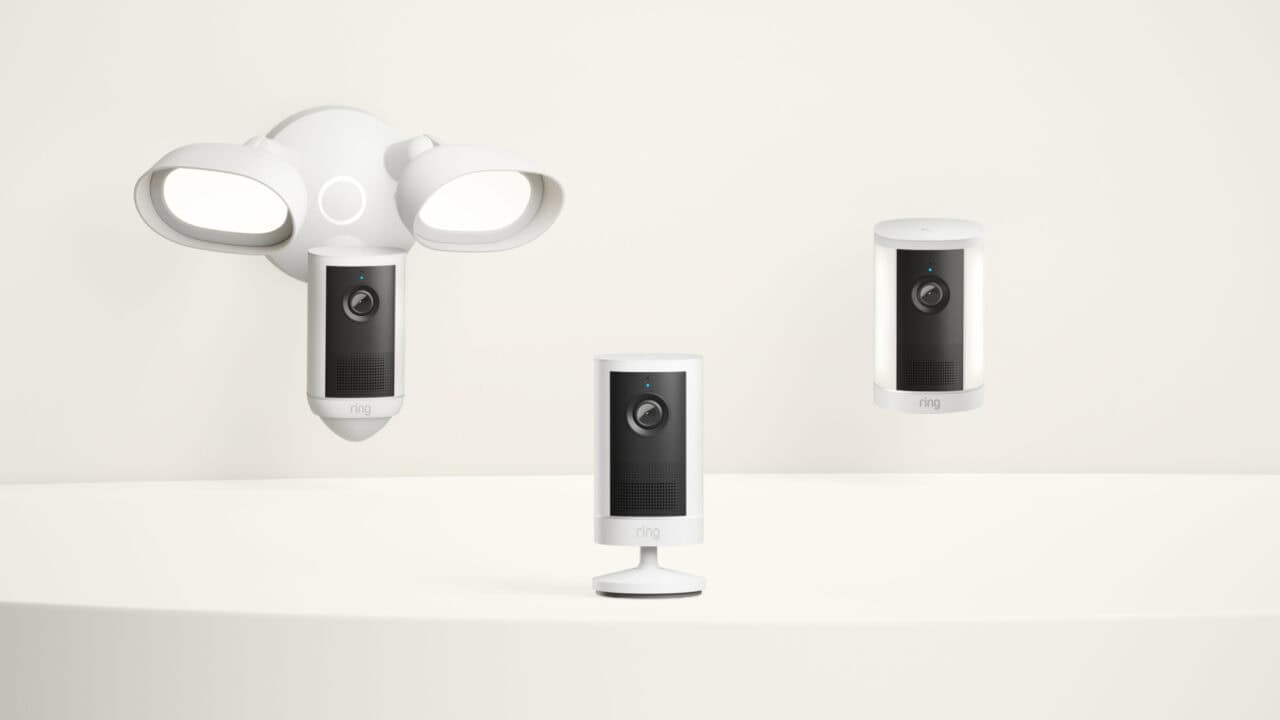
Ring frames TAKE and its optional E2EE setting as part of a longer push to build more privacy into its products rather than treat it as a one-time change. Every customer receives stronger default encryption with TAKE once it reaches their account, and anyone who wants extra control can move to E2EE through the Ring app. Encryption settings can be managed per device and switched as needed, so you can choose different privacy levels for different cameras or doorbells in your home. Ring has also shared a technical white paper on this upgrade and points customers to its privacy page for more detail on how video is protected behind the scenes.
View the original press release.