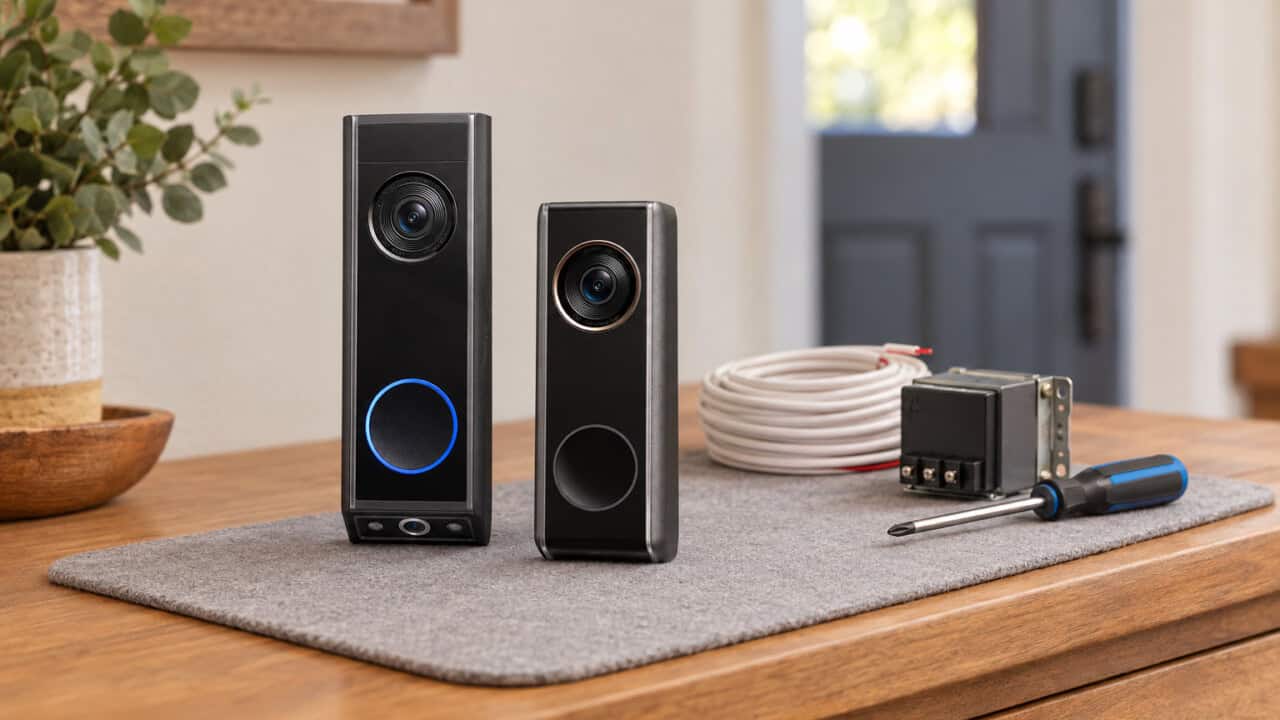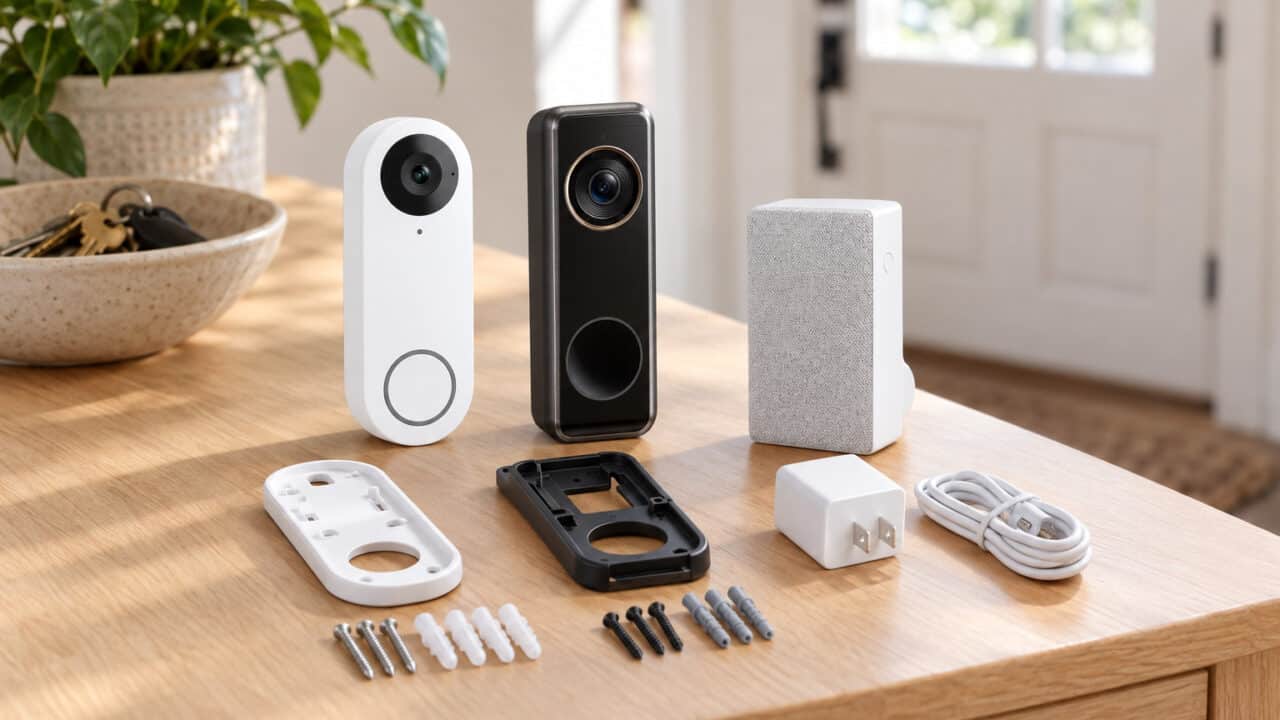
Reolink’s new Video Doorbell 2nd Gen is built around a Qualcomm chip to stretch battery life and keep front-door video streaming more stable, especially in homes with spotty Wi-Fi. The company is pitching it as a long-running, low-fuss doorbell camera that can handle motion alerts, two-way talk, and 24/7 continuous recording when wired, without chewing through power as quickly as older models. It is available in both wired and battery-powered versions, so it can fit houses, apartments, and older buildings that may not have an existing doorbell circuit.
At the center of the update is the Qualcomm QCC730 micro-power Wi-Fi chip, which is designed for low-power smart home devices. Reolink says this chip lets the doorbell use “significantly less” power while still handling live streaming, alerts, and local AI detection on the device. That matters most for the battery version, since fewer trips to the charger or fewer ladder climbs are the main reason many people avoid doorbell cameras. The chip is also built to keep connections steady, so video should be less likely to freeze or drop when you answer a ring or check a notification.
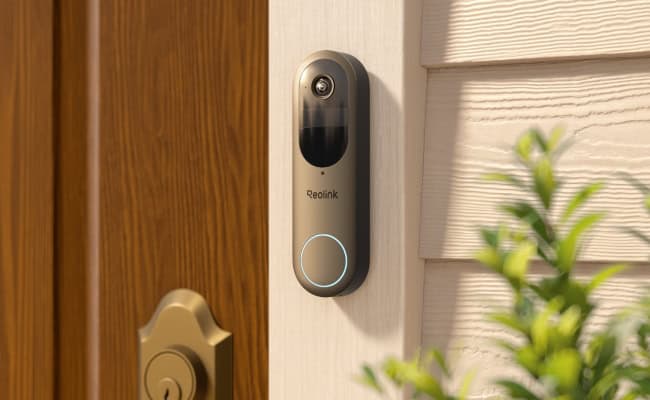
The Video Doorbell 2nd Gen keeps the same basic design choices people expect in this category, with a tall, slim body, a camera at the top, and a large ring button at the bottom. It supports live view, two-way audio, and motion-triggered recording, so you can talk to delivery drivers or visitors from your phone. Reolink continues to push local storage through a microSD card slot, which lets the doorbell record video without a paid cloud subscription. For people who already use Reolink cameras and NVRs, the new doorbell is meant to drop into that setup and appear in the same app and recording system.
Smart detection is another focus. The 2nd Gen doorbell uses onboard AI to recognize people, vehicles, animals, and packages, so you can filter out alerts from moving branches, shadows, or passing traffic when you only want to know about visitors at the door. Being able to filter motion events to “person only” or “person and parcel” can make a big difference in how usable the camera feels over time. The Qualcomm chip helps keep that AI work on the device instead of offloading it to the cloud, which saves bandwidth and can keep response times quick. This also supports privacy-minded users who prefer that video and detection data stay inside their own network or on local storage.
Video quality and coverage are set up for front-door use, with a vertical field of view that makes it easier to see packages on the ground as well as people at the door. While Reolink has increased power savings, it is not dropping features like night vision, smart alerts, or quick access to live video from the app. The doorbell works on 2.4/5 GHz dual-band Wi-Fi, which helps reach routers that might be farther away or behind walls. Reolink is also aiming this model at renters and homeowners who want a battery-powered install using adhesive or screws, without changing existing wiring.
Reolink is positioning the Video Doorbell 2nd Gen as part of a broader push to bring more of its cameras onto Qualcomm smart home platforms. The move signals a trend toward smarter chips inside doorbells, cameras, and other security gear so they can do more work locally and use less power. For buyers, that translates into fewer missed deliveries because the doorbell battery died, fewer junk notifications, and a more reliable front-door camera that can stay online longer between charges.
View the original press release.