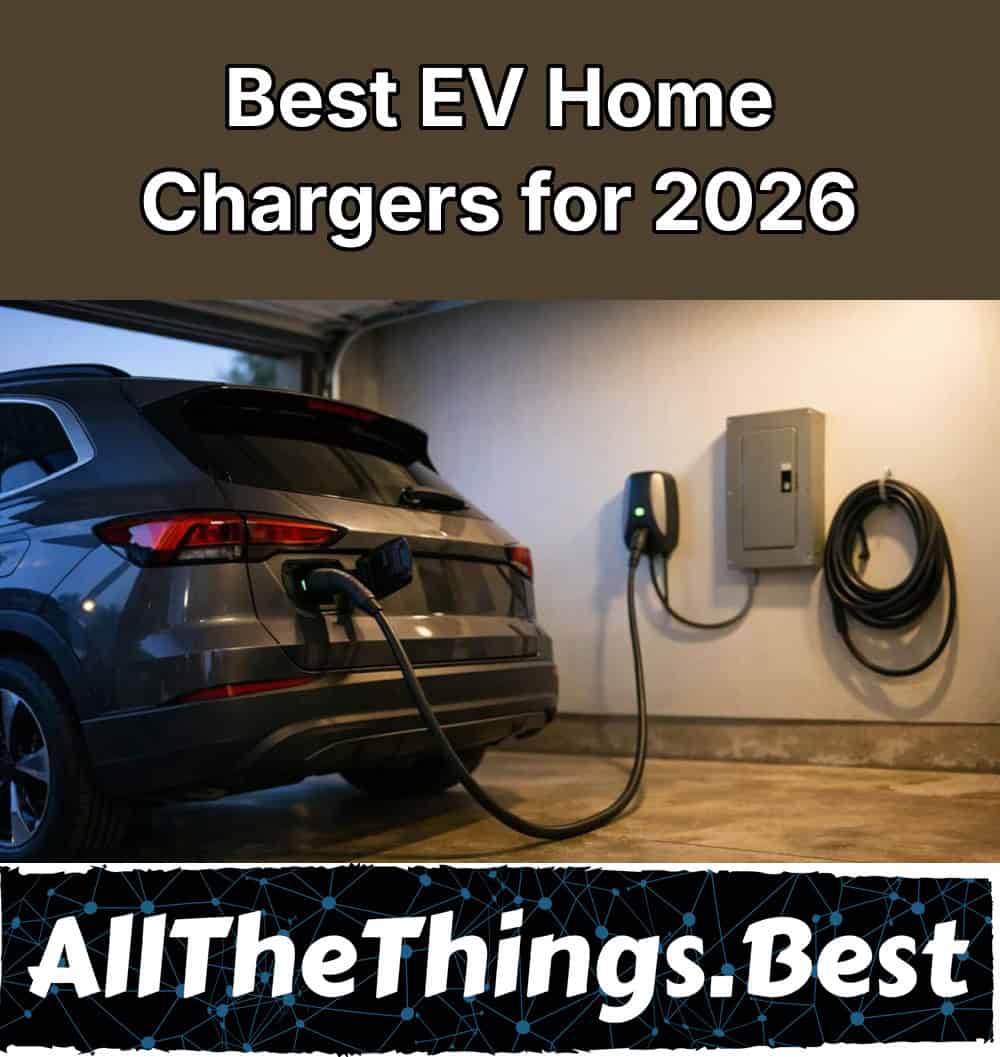
The best EV home chargers for 2026 are a small group of proven Level 2 units that balance speed, day-to-day reliability, and the messy J1772 to NACS transition. From the ChargePoint Home Flex and Tesla Universal Wall Connector to simple value picks, the goal is to find the one that makes sense for your electrical panel, your rebate options, and your next EV.
ChargePoint Home Flex Level 2 EV Charger (J1772, up to 50A, plug-in or hardwire)
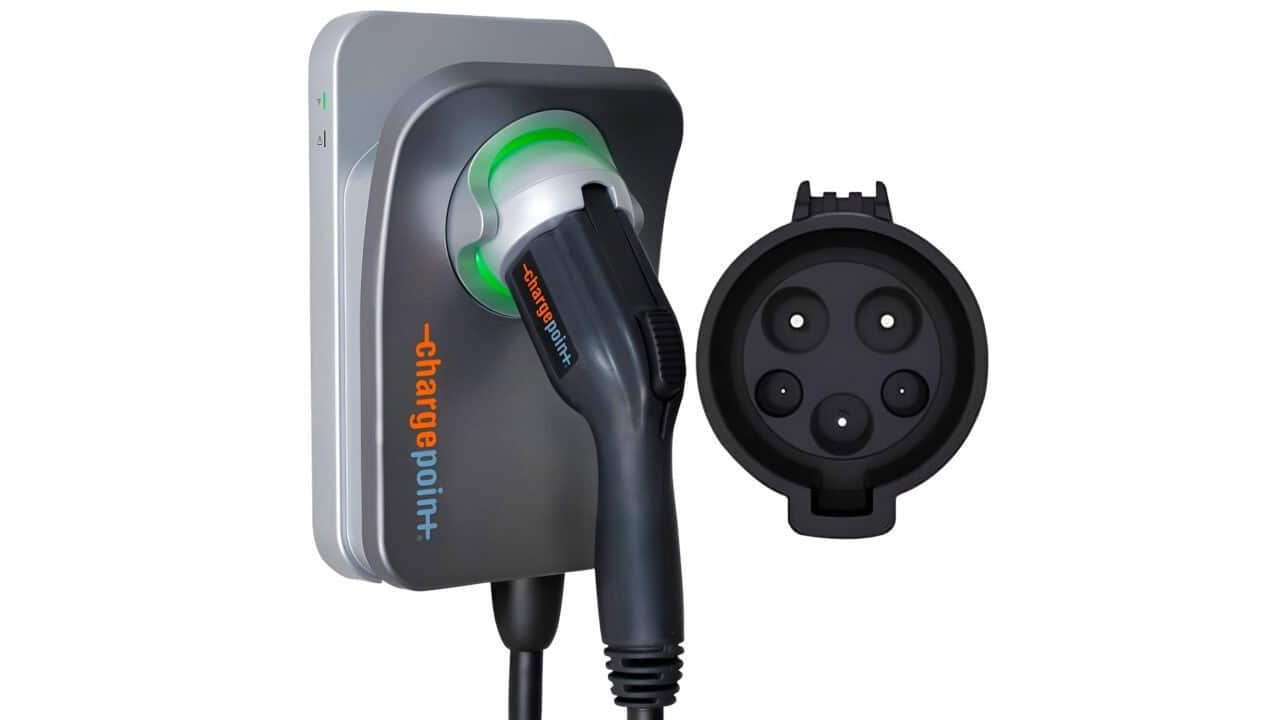
ChargePoint Home Flex is a 50 amp Level 2 J1772 charger that often lands at the top of “best home charger” lists because it pairs strong hardware with great utility rebate support. You can hardwire it or plug it into a NEMA 14-50 outlet, and most people set it to 40 amps on a 50 amp breaker for about 9.6 kW of charging. The ChargePoint app lets you schedule charging for off-peak hours, which matches up nicely with time-of-use electric plans and utility rebate rules.This makes the Home Flex a smart choice if you are not sure what your next EV will be, since J1772 works with almost everything that is not NACS-native and can still charge Teslas with an adapter. Many utilities call out ChargePoint by name in their rebate paperwork, so you have a better chance of getting money back on the install. If you want a “set it and forget it” smart charger with an easy app and wide rebate support instead of raw max amperage, the Home Flex is the one to beat.
Tesla Universal Wall Connector Home EV Charger (NACS + J1772 dual plug)
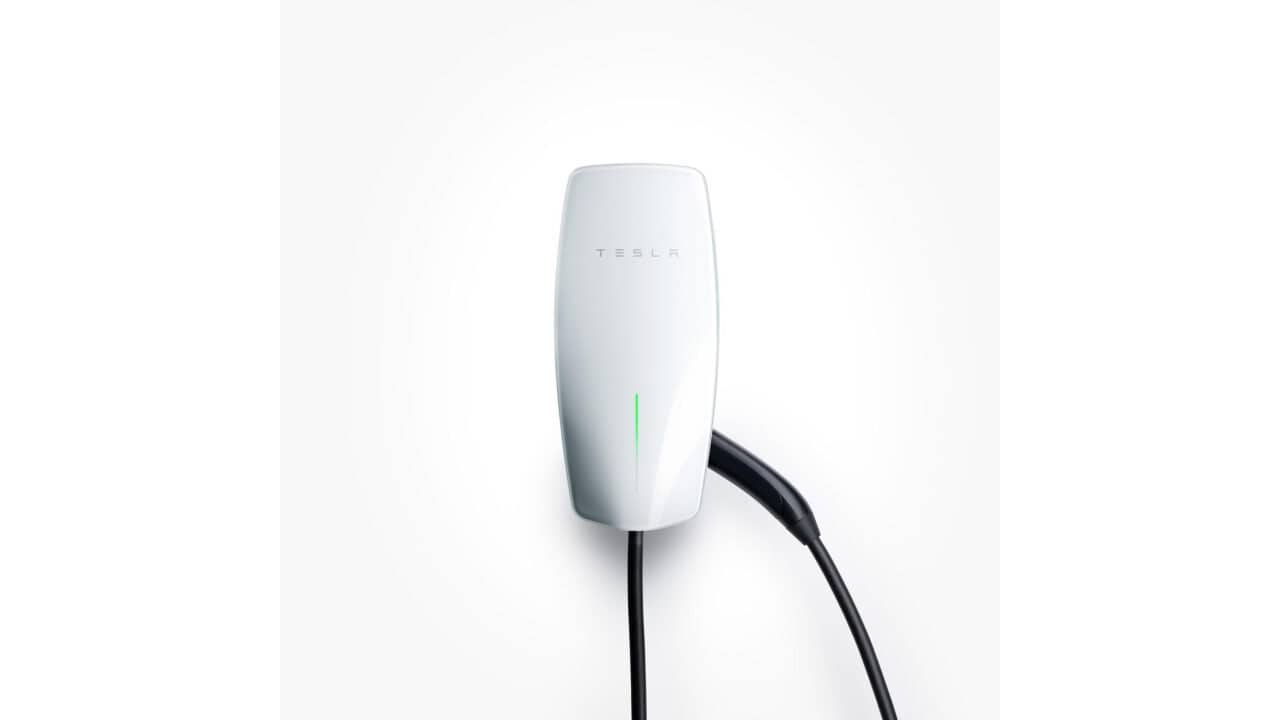
The Tesla Universal Wall Connector is a 48-amp Level 2 home charger with both NACS and J1772 connectors, so one install can handle almost any EV you throw at it. This dual-plug setup makes it a top pick for mixed garages with a Tesla and a non-Tesla, or for anyone who is not sure what brand their next EV will be. It is a hardwired unit, so you will be looking at a 60-amp breaker to get the full 48-amp output, which delivers about 11.5 kW — roughly 44 miles of range per hour on Teslas built for the full 48A, and lower on EVs that cap at 32A.
This charger fits the “universal” slot in a best home chargers list, sitting next to J1772-only picks like the ChargePoint Home Flex and value options like the Grizzl-E Classic. The Universal Wall Connector keeps things simple on the outside, with a clean Tesla look and a long cable, while still letting you manage charging and schedules through the Tesla app. If utility rebates in your area cover NACS gear and you want one unit that can charge both your current EV and whatever comes next, this is the one built for that job.
Grizzl-E Classic Electric Vehicle Charger (40A J1772, plug-in)
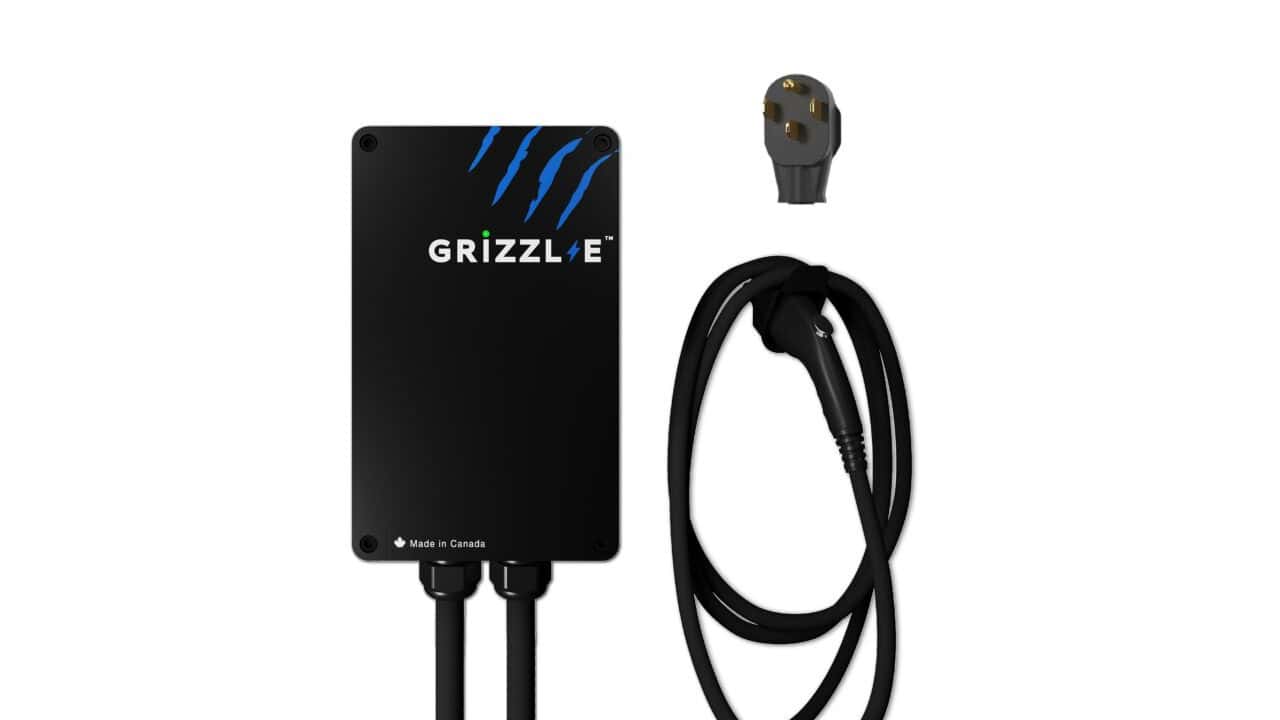
Grizzl-E Classic is a 40-amp Level 2 J1772 home charger that focuses on tough hardware instead of apps and smart features. It is a Canadian-made, “dumb-but-bulletproof” unit that many people pick as a value choice if they just want consistent overnight charging without Wi-Fi or phone control. The Grizzl-E Classic usually plugs into a NEMA 14-50 or 6-50 outlet, so you can install the outlet once and upgrade the charger later if you change cars or needs.This charger pairs well with most non-Tesla EVs out of the box, and works with Teslas when you use the standard J1772-to-Tesla adapter. At 40 amps, you are looking at a 50-amp breaker, which is a common sweet spot for home installs without needing a big panel upgrade. If you do not care about scheduling in an app, utility integrations, or energy tracking, the Grizzl-E Classic is the “just works” pick in a list of the best EV home chargers.
Emporia Level 2 EV Charger (48A J1772, hardwire, energy monitoring)
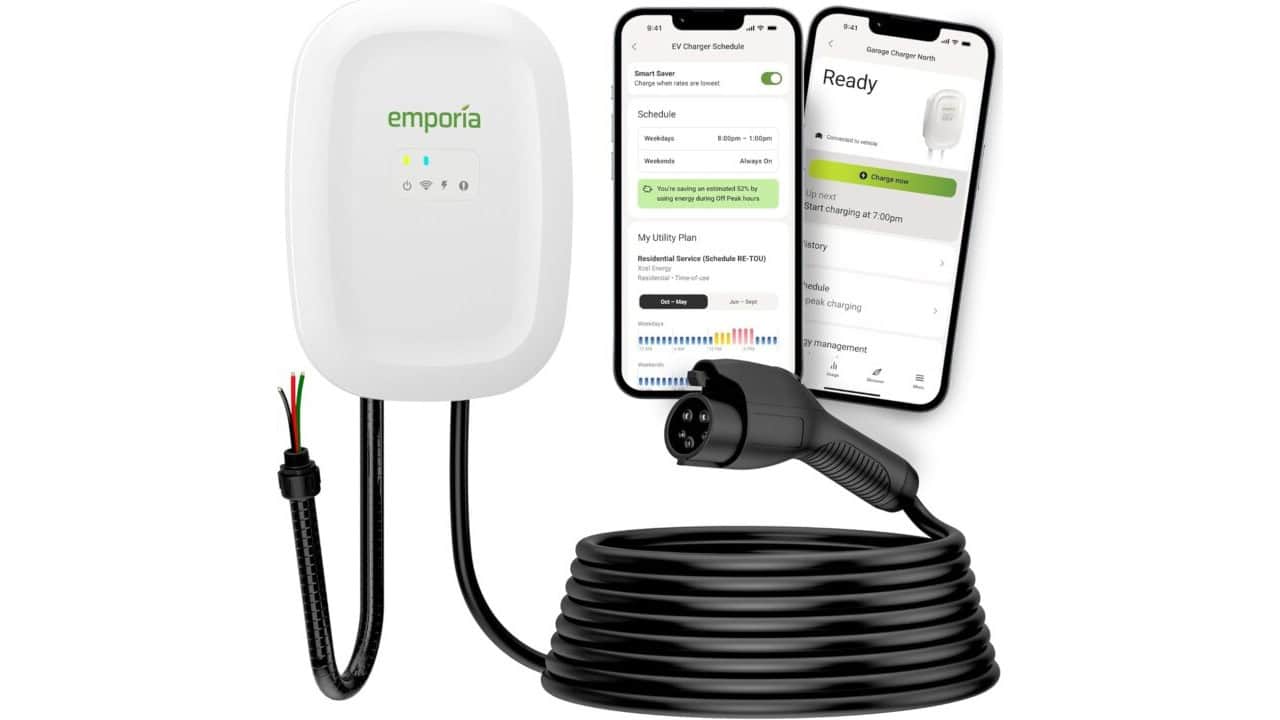
The Emporia Level 2 EV Charger (48A J1772, hardwire, energy monitoring) is a 48-amp hardwired J1772 unit that stands out for its built-in energy tracking and solar-aware features. It pairs with the Emporia Vue whole-home energy monitor, so you can see exactly how many kWh your car pulls and line that up with your total household use. If you have rooftop solar, the app can prioritize charging when your panels are producing more, which can cut what you pull from the grid. Since it is hardwired at 48 amps, you are looking at a 60-amp breaker and an electrician visit, but you get faster charging than 40-amp plug-in options.For a “Best EV Home Chargers for 2026” list, the Emporia slots in as the energy-nerd pick for people who care about load management and electric bills, not just miles per hour. It is a good match if your utility pays extra attention to peak demand or you are trying to keep everything under a certain amp limit. J1772 means it works with most non-Tesla brands out of the box, and Tesla drivers can use an adapter like they would with any other non-NACS charger. If you are planning solar or already have it, this is one of the few home chargers that can actually talk to your whole-home energy setup instead of just acting like a dumb appliance. Emporia also sells a newer Pro model with built-in load-management (~$599) that fits panels without spare capacity, but the Classic remains the cheaper pick if your panel has room.
EVIQO Level 2 EV Charger (40A J1772, plug-in value alternative)
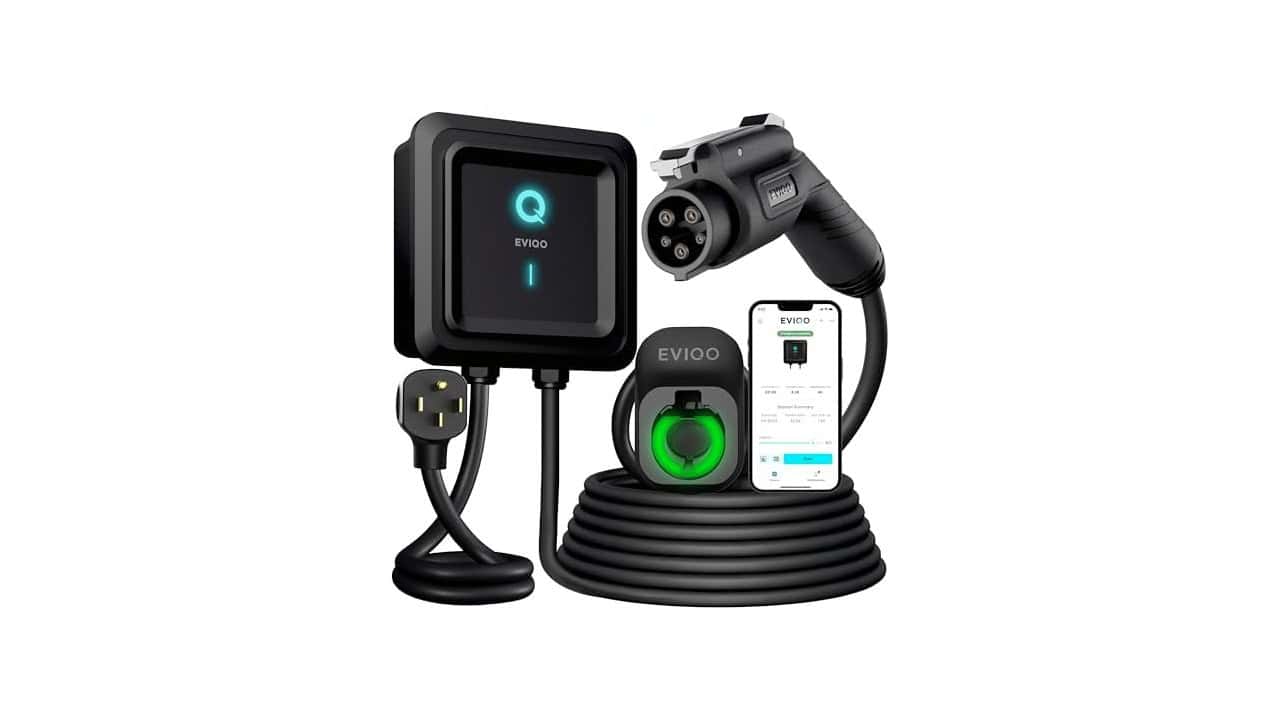
EVIQO Level 2 EV Charger (40A J1772, plug-in value alternative) is a 40‑amp J1772 home charger that stands out as a recent value pick with a long 25‑foot cable and a 4.7‑star rating from buyers. That 25‑foot cord matters if your panel is stuck in a corner or you sometimes park in a different spot, since you get more flexibility without moving cars around. At 40 amps, you are looking at a 50‑amp breaker, which is a sweet spot for many homes that cannot or do not want to jump to a 60‑amp circuit for 48‑amp charging.This one fits into the “value alternative” slot next to better‑known picks like the Grizzl‑E and ChargePoint Home Flex, so it is a good option if you want solid power without a lot of extras. J1772 means it will work for most non‑Tesla models out of the box, and you can still charge a Tesla with the standard J1772 adapter if needed. If you want a dependable Level 2 charger that can reach two parking spots and you are watching the budget, EVIQO belongs on your short list.
Summary
The most important thing to know is that the best EV home charger for you is the one that matches your car’s charging speed, your home’s electrical panel, and your budget. When you’re ready to buy, double-check your vehicle’s maximum AC charge rate, then look for a charger with at least that output, a long enough cable, and a trusted safety certification. If you can, talk to a licensed electrician before you click “purchase” so you know whether you need a panel upgrade or a simpler install. Taking those steps now will save you money, time, and headaches over the years you own your EV.