You really can put together a smart home security setup with eight solid devices for under $250 each. From the budget-friendly Blink Mini indoor cam to the TP-Link Tapo outdoor plug with Matter, these picks cover doors, yard, garage, and more without locking you into a big $1,000 system. Here is how each one fits into a real-world security perimeter on a budget.
Blink Mini indoor camera: cheap 1080p coverage for living spaces
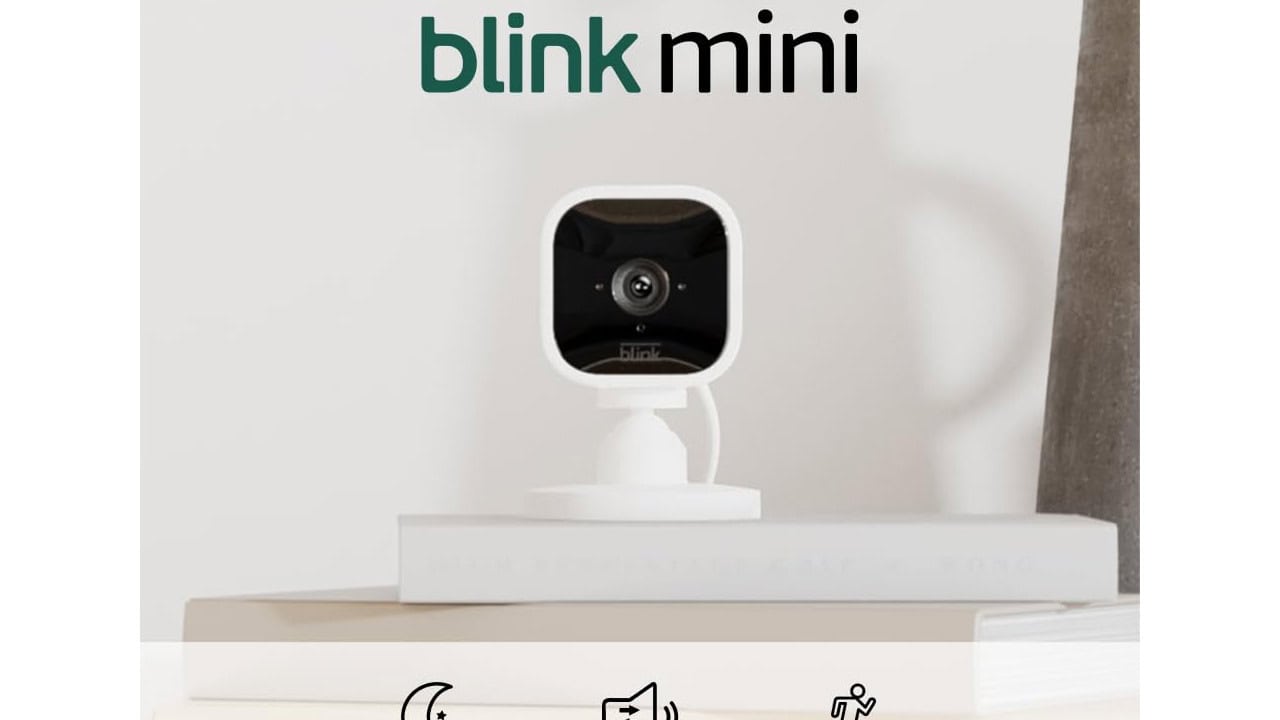
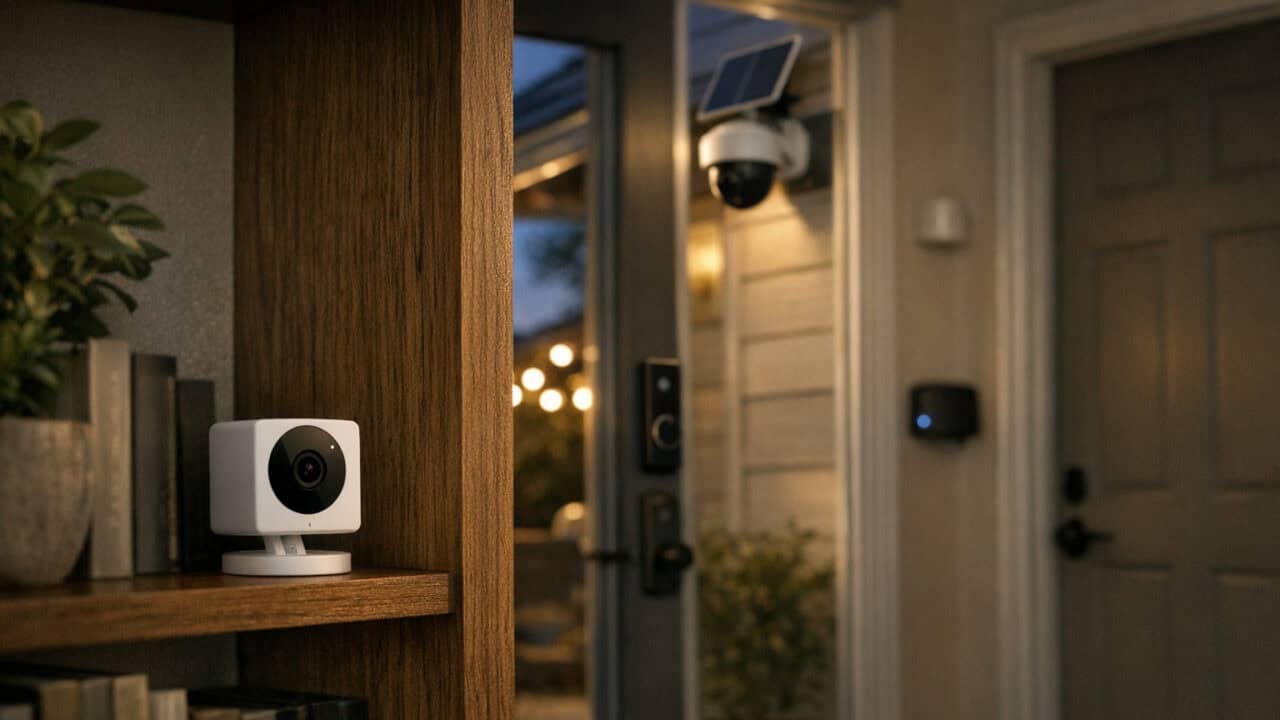
The Blink Mini indoor camera: cheap 1080p coverage for living spaces is a compact 1080p wired camera that gives you motion alerts and live view for around $25. It plugs into a wall outlet, connects over Wi-Fi, and supports two-way audio so you can talk through the camera from the Blink app. This makes it a cheap way to cover a hallway, entry, or living room without running any cables or drilling.For recording, the Blink Mini supports both cloud and local options, but they work differently. Cloud recording needs a paid Blink Subscription, which stores clips online and does not require a Sync Module. If you want local storage, you need the separate Blink Sync Module 2 plus a USB drive to save clips at home. That combo still keeps you well under the $250 mark while giving you a real indoor layer in your budget security setup.
Google Nest Doorbell (Wired, 2nd Gen): smart alerts at the front door
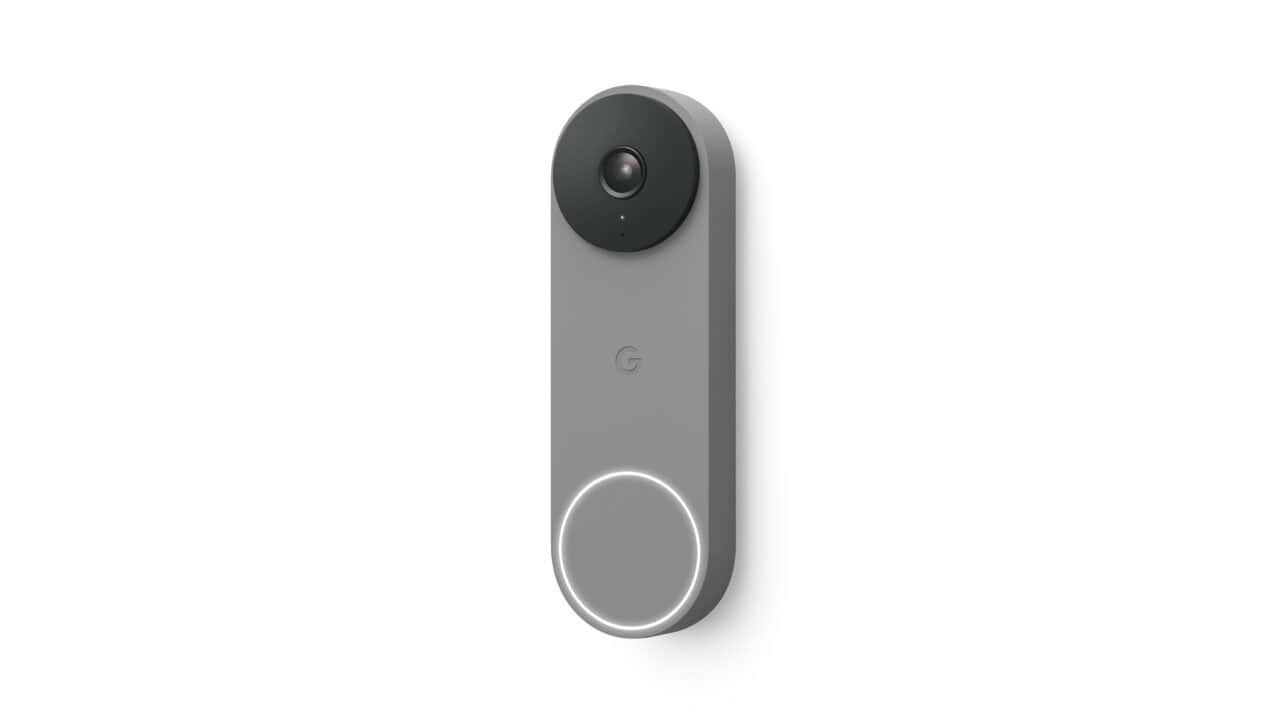
The Google Nest Doorbell (Wired, 2nd Generation) typically runs around $140–$180 and gives you HDR, portrait-style video so you can see people head to toe and spot packages on the ground. It installs into your existing wired doorbell setup, so you don’t have to worry about charging a battery — power comes straight from the chime transformer. On-device AI helps it spot people, packages, vehicles, and animals so you can cut down on useless motion alerts, and it only ties into Google Home, not Apple HomeKit. For a budget perimeter setup, this puts a smart brain right at your front door without needing a full security system.
Reolink Argus PT with solar panel: 2K pan/tilt protection outside
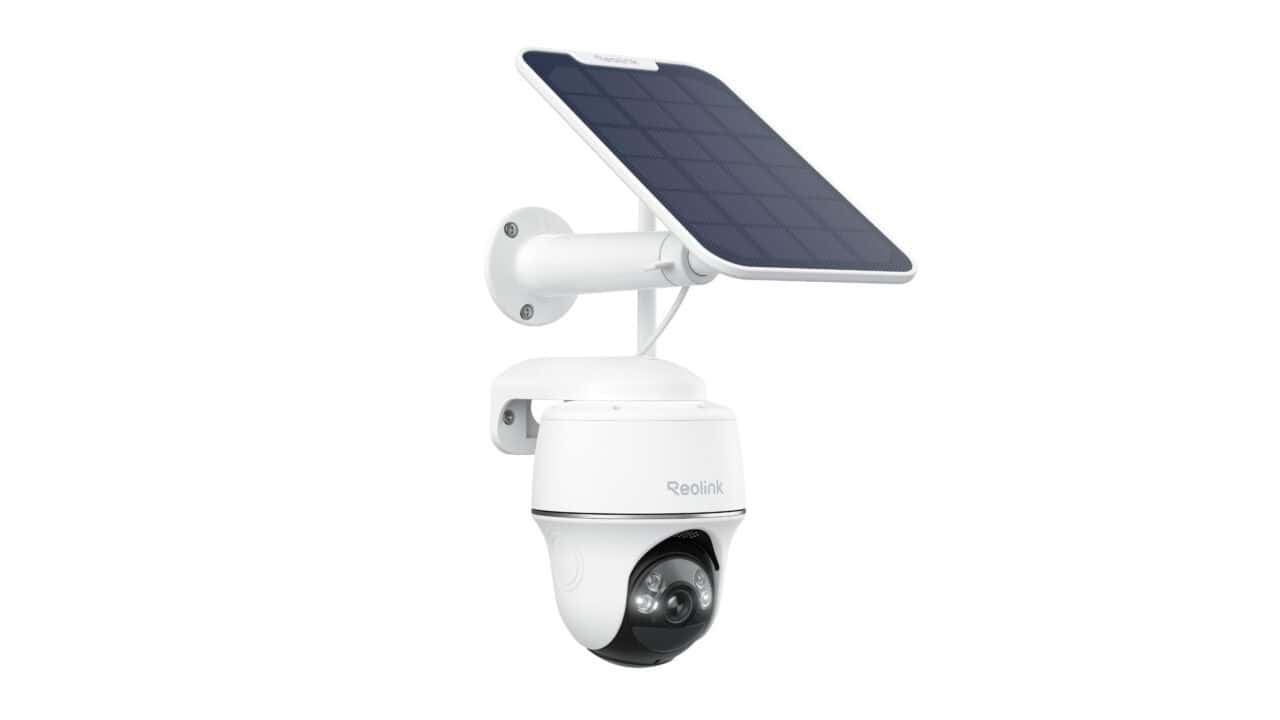
The Reolink Argus PT with Solar Panel is a 2K wireless outdoor security camera that gives you pan and tilt coverage without a monthly subscription. It runs on a rechargeable battery that the included solar panel keeps topped up, so you can mount it in spots where running power would be a pain. The camera records to a local microSD card, so your clips stay on-site instead of in a paid cloud plan. This makes it a strong pick if you want full-yard coverage and ongoing recording costs to stay at zero.For a post about smart security picks under $250, the Reolink Argus PT hits a nice balance of price and features at around $130 on Amazon. You get app control, wireless install, and wide coverage thanks to the pan/tilt head, which helps cut down how many cameras you need outside. Paired with the solar panel, it works well for sheds, driveways, or fence lines where power outlets are limited. It fits the “real perimeter on a budget” angle by giving you serious outdoor coverage without tying you into a specific subscription ecosystem.
Aqara Smart Lock U100: deadbolt with Home Key and flexible unlock options
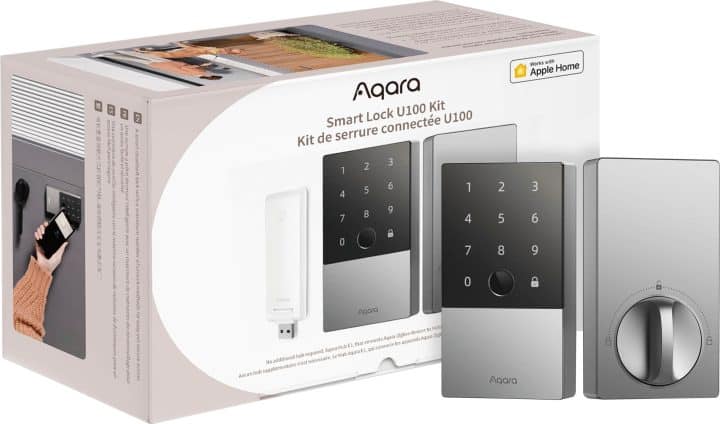
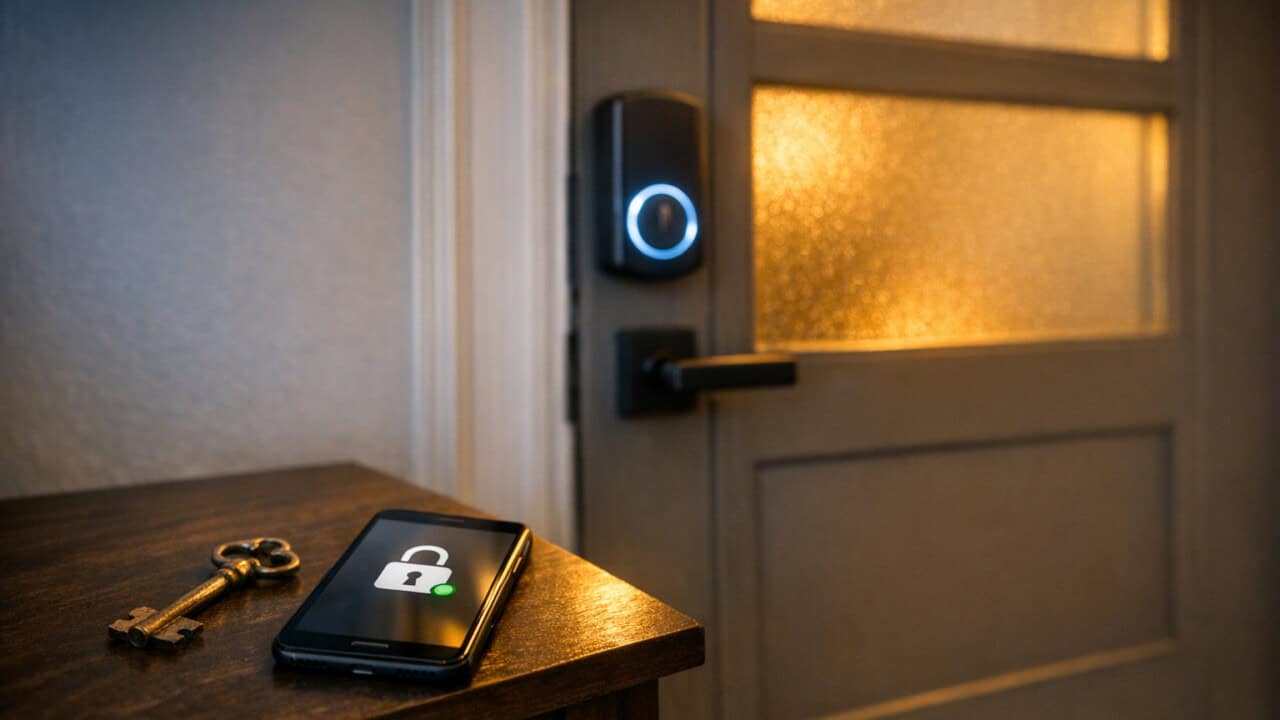
The Aqara Smart Lock U100: deadbolt with Home Key and flexible unlock options is a full deadbolt replacement that brings Apple Home Key, a fingerprint reader, and a touchscreen keypad to your front door for around $150. It pairs directly with Apple Home over Bluetooth, so you can tap your iPhone or Apple Watch to unlock without needing a separate hub. You also get standard PIN codes for guests, plus a mechanical key backup if you want a traditional option.For budget security, this lock gives you a strong upgrade without jumping into a pricey whole-home system. If you want Alexa, Google Home, or Matter support, you do need to add an Aqara Zigbee hub that is sold separately. Paired with the other picks in this list, the U100 helps close the gap at one of the most important spots in your home: the front door.
Chamberlain myQ Smart Garage Control: retrofit app control for your garage door
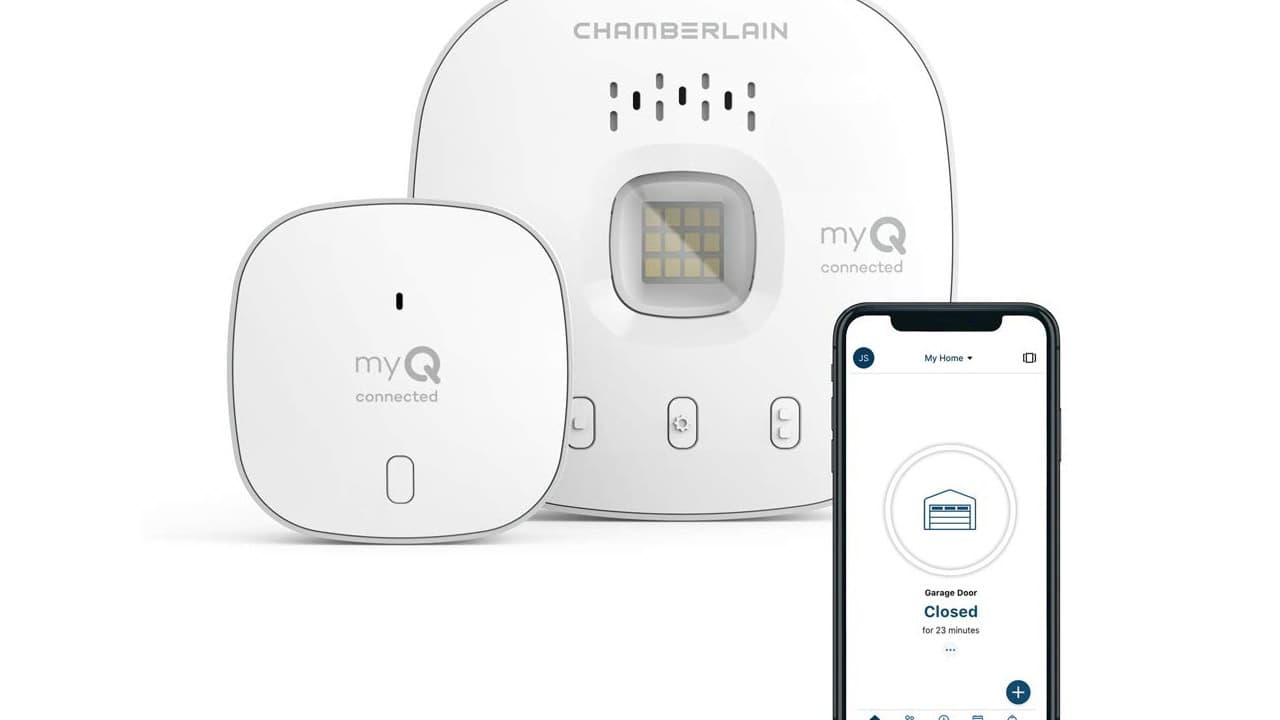
The Chamberlain myQ Smart Garage Control (myQ-G0401-ES) is a budget-friendly retrofit controller, usually around $30, that turns most existing garage door openers into app-controlled smart devices. It works with the free myQ app so you can open, close, and check the status of your garage door from your phone, and it supports scheduling so you can auto-close at night. It works with most openers made after 1993 that use standard photoelectric safety sensors, as long as you have a 2.4 GHz Wi‑Fi network within about 50 feet and a sectional garage door.Where this fits into a sub-$250 security setup is garage control and safe package drops, not broad smart home tie-ins. Chamberlain shut down native Alexa, Google Assistant, SmartThings, and the myQ Home Bridge for HomeKit, so you should not expect voice control through those platforms. The only remaining voice link is through Amazon Key In-Garage Delivery for Prime members, which lets drivers place packages inside your garage and lets you check status or open using a voice PIN.
Aqara FP2 Presence Sensor: room-level tracking without cameras
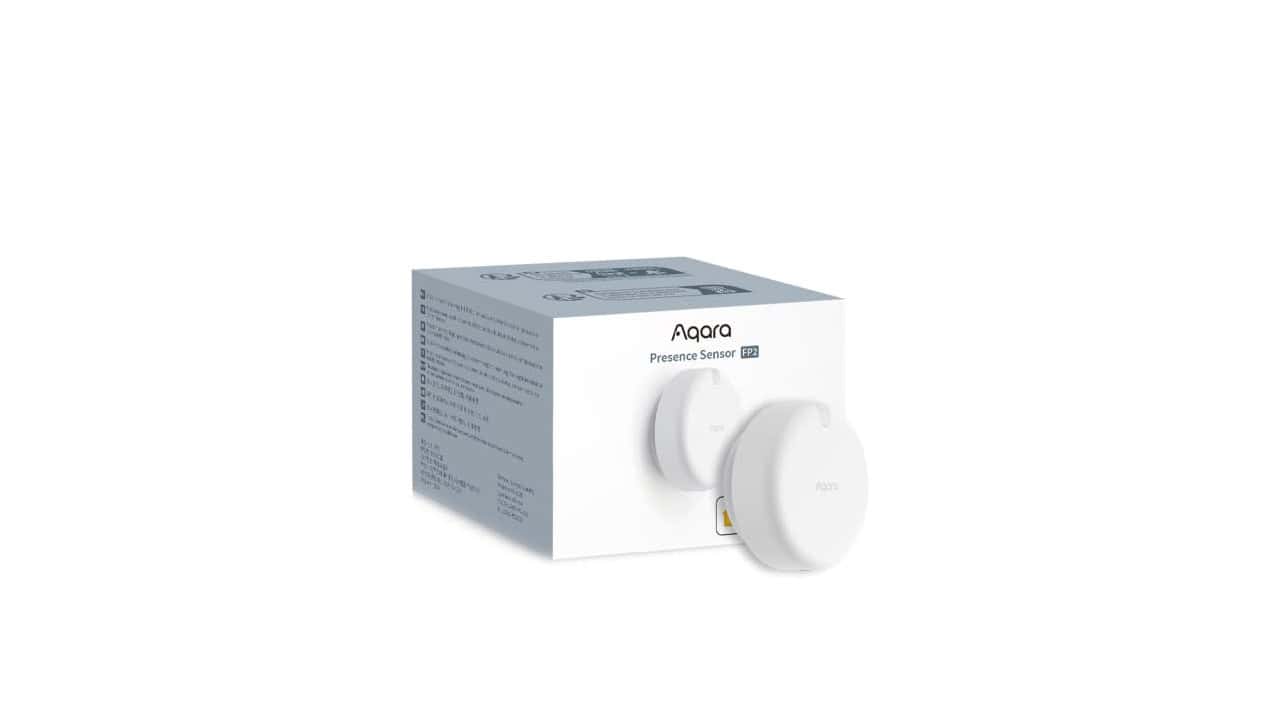
The Aqara FP2 Presence Sensor: room-level tracking without cameras is an indoor mmWave radar sensor that runs on 2.4 GHz Wi‑Fi and works with Apple Home without needing an Aqara hub. Instead of basic motion sensing, it can track presence even with tiny movements, so your lights and alarms do not shut off just because you are sitting still. It supports up to 30 zones in a single room, which lets you set different automations for your couch, bed, or desk.For a security setup under $250, the FP2 helps cut down on false alarms and wasted energy by reacting to actual people instead of just motion. It can follow up to five people at once, use its built‑in light sensor to trigger smart lighting, and feed presence data into your automations for alerts, sirens, or cameras. You keep your main budget for cameras and locks, while this sensor quietly makes the whole system feel smarter and less annoying.
Aqara Door and Window Sensor: simple entry alerts tied to your hub
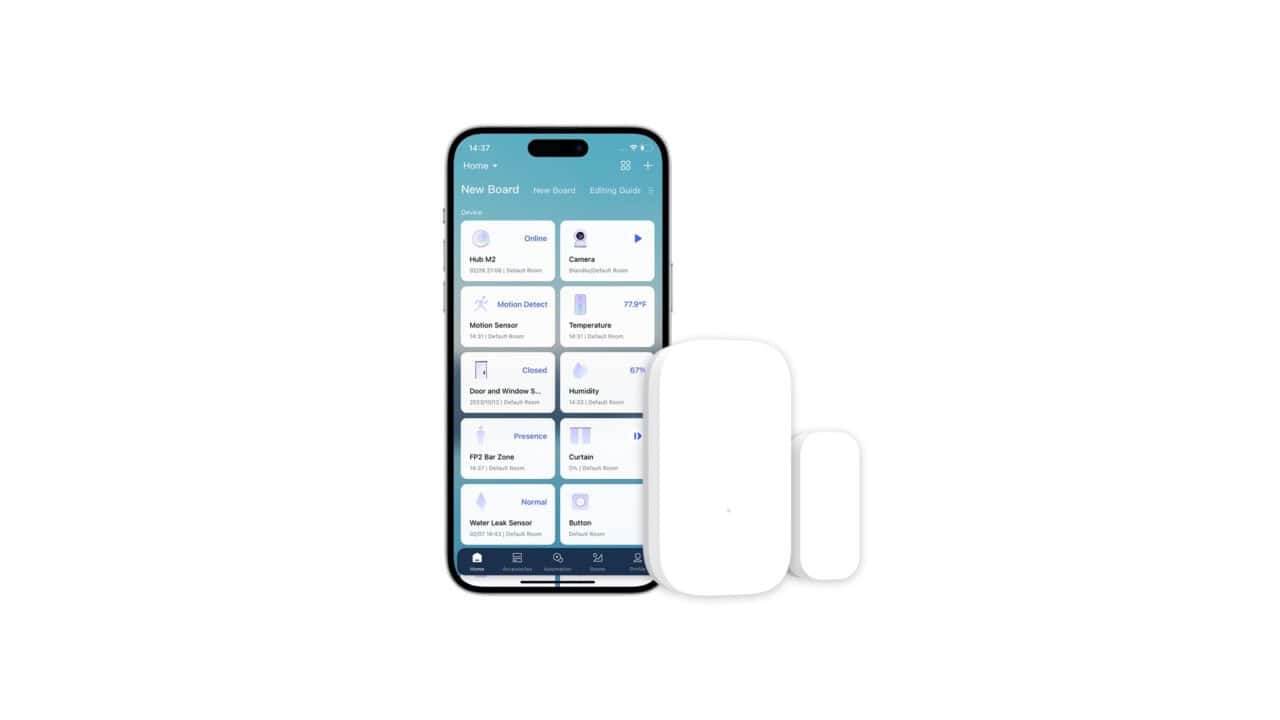
The Aqara Door and Window Sensor: simple entry alerts tied to your hub MCCGQ11LM is a small Zigbee sensor that tells you the moment a door or window opens, and it costs around $18, so it fits easily under the $250 budget. It pairs to an Aqara Zigbee hub and cannot run on its own, so you do need that hub as the “brain” of the system. Once linked, it can trigger alerts on your phone when an entry point opens, which helps you lock down weak spots like basement windows or side doors without paying for a big-box security package.This sensor works well as the “entry tripwire” in your budget perimeter, especially when you combine it with the Aqara lock, FP2 presence sensor, and an outdoor plug from the same list. The body is compact, battery-powered, and meant to stick on a door or window frame so you do not have to drill or wire anything. Used with automations through the Aqara hub, it can also help with simple tricks like turning on a light when a door opens, which stretches its value beyond basic security.
TP-Link Tapo outdoor smart plug with Matter: lights and gear on a schedule

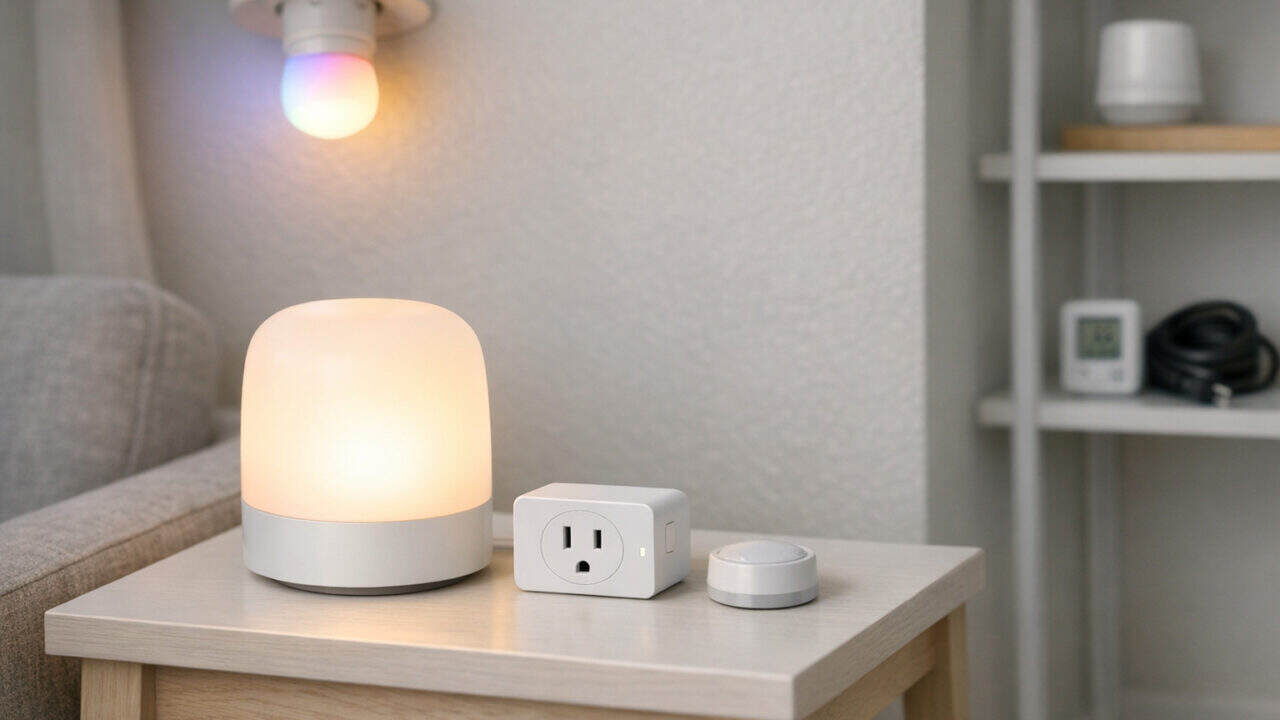
The TP-Link Tapo outdoor smart plug with Matter: lights and gear on a schedule P400M is a weather-resistant smart plug with two independently controlled outlets for under $30, making it a cheap way to add “security lighting” to your yard. This IP65-rated plug can sit outside in rain or snow and control things like floodlights, string lights, or a plug-in camera, all from the Tapo app or your favorite smart home platform. Because it is Matter-certified, it works with Apple Home, Alexa, Google Home, and SmartThings, and you can share control with family using Matter’s Multi-Admin support.For a budget security setup, the P400M helps your home look occupied with scheduling and Away Mode, turning lights on and off at set times or random intervals. The dual antennas give it long-range Wi-Fi coverage, so you can mount it farther out in the yard and still keep a solid connection. At around $25, it fits easily under the $250 cap and pairs well with your cameras, door sensors, and presence sensors to round out an outdoor security perimeter.
Final thoughts
You can build a stronger home security setup for under $250 per device if you focus on a few smart picks instead of pricey bundled systems. Start with your biggest weak spots, like your front door, ground-floor windows, garage, and outdoor entry points. Choose gear with clear video, solid night vision, dependable alerts, and no required long-term contracts so you stay protected without surprise costs.