Data brokers know shockingly specific things about you, from rough income and health guesses to your shopping habits and every address you have called home. Companies most people never interact with quietly buy and sell this data behind the scenes, feeding ad systems from places like Google and social media platforms. Keep reading to see what they know and how you can push back.
Your Home Address and Move History

Data brokers know your current home address and a surprising amount of your move history, sometimes going back 10 or 20 years. They pull this from USPS change-of-address records, property tax databases, credit header data from the three major credit bureaus, magazine subscription lists, and even loyalty programs from stores like Target or CVS that ask for your zip code. Some broker profiles list every address you have used, the exact move-in and move-out dates, and whether you rented or owned each place.You are not stuck with this forever, and you can push back. Big data-broker sites like Spokeo, Whitepages, and PeopleFinders have opt-out or deletion forms where you can remove your address records, and the privacy pages for credit bureaus let you limit how your data is shared for marketing. It takes time to run through multiple sites, but setting a calendar reminder to repeat removals a few times a year keeps a lot of your move history out of easy public view.
Your Income and Net Worth Estimates

Data brokers keep surprisingly detailed guesses about your income and net worth based on the digital and paper trail you leave behind. Credit card transaction data, loyalty accounts from stores like Target or Walmart, and subscription payments to services like Netflix or Spotify help them group you into ranges like “$50,000–$74,999 household income” or “high net worth homeowner.” Public records from county property tax sites, mortgage records, and vehicle registrations feed those estimates too, along with whether you use premium credit cards like a Visa Signature or travel rewards card.They combine all of this into labels that advertisers see, not your actual salary number, which makes it feel invisible and hard to challenge. You can push back by sending data deletion or opt‑out requests to big brokers such as Acxiom, Experian Marketing, Cotality (formerly CoreLogic), and Epsilon, and by opting out of data sharing on store loyalty programs and financial apps where possible. It takes time and a few forms, but each opt‑out shrinks the profile they can sell about your money.
Your Shopping Habits and Purchase Patterns

Data brokers track exactly what you buy, how often you buy it, and what that says about you. They pull this from loyalty cards at stores like Target and Kroger, “guest IDs” tied to your email or phone number, and online orders from sites such as Amazon, Walmart, and Instacart. They can sort you into segments like “frequent pet owner,” “organic food buyer,” or “big box bargain hunter,” based on purchase histories that go back years.They also match those shopping records with credit card transaction data from processors and with e‑receipt services like Rakuten or PayPal. This lets them see patterns such as how much you spend per month, which brands you favor, and whether you chase promo codes or stick to full price. You can push back by turning off loyalty tracking where possible, using guest checkout, unsubscribing from “personalized offers” emails, and filing opt-out or deletion requests with major data brokers that list “purchase history” or “consumer spending” in their data categories.
Your Inferred Health Conditions

Data brokers build “possible health issue” files on you based on tiny clues scattered across your life. A discount-card purchase of Claritin, a CVS ExtraCare receipt for EpiPens, or repeated Amazon orders of blood glucose test strips can all be turned into an “allergy,” “asthma,” or “diabetes” flag in marketing databases. They add in location data from your phone visiting places like Planned Parenthood or a cancer center, plus web activity from trackers like Google Analytics or Meta Pixel on symptom-checker pages and pharmacy websites. You can push back by opting out on major data broker sites, turning off “Web & App Activity” in your Google account, using privacy tools like Firefox’s Enhanced Tracking Protection, and asking pharmacies or retailers to limit data sharing for marketing.
Your Location Patterns and Daily Routine
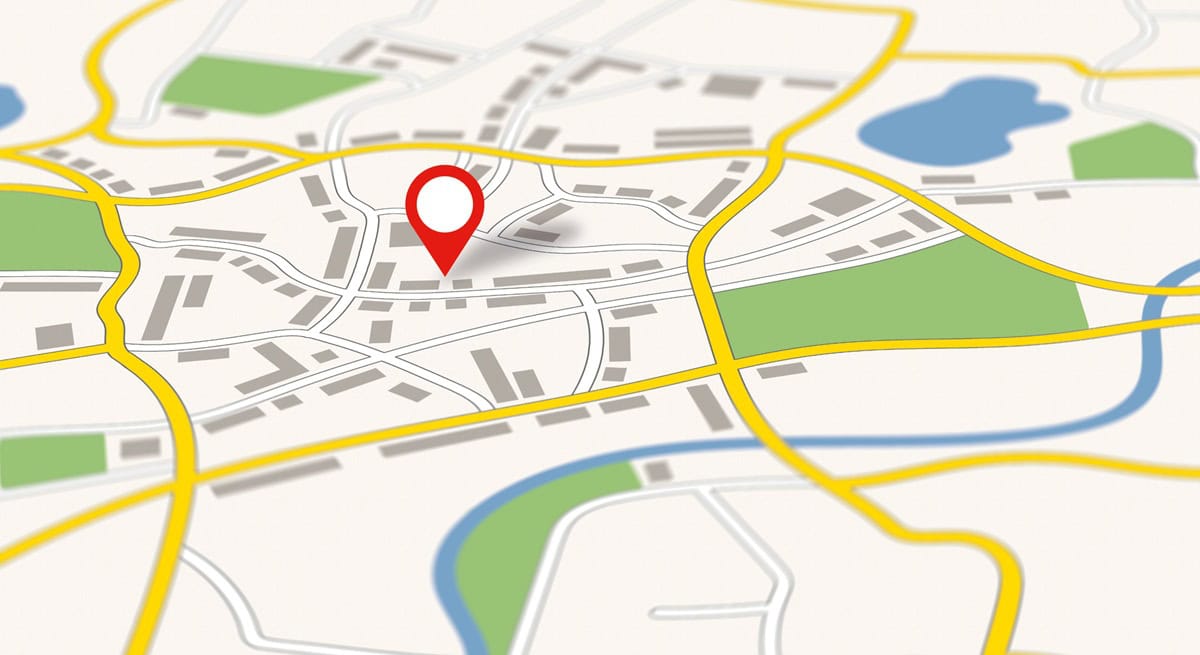
Data brokers know where you sleep, where you work, and which stores you walk past at 7 p.m. every Tuesday. Apps with location access, like weather apps, navigation tools, and some coupon or store apps, can log your GPS coordinates thousands of times per day and pass that data to third‑party aggregators. From that, brokers can label you as “commuter to X employer,” “regular visitor to Y church,” or “frequent customer at Z pharmacy,” then bundle and sell those patterns to advertisers and analytics firms.You can push back by cutting off the data at the source and filing opt‑out requests. Turn off “precise location” permissions for apps that do not really need it, delete old apps tied to your Google or Apple account, and use the “Allow Apps to Request to Track” setting on iPhone and the “Timeline” (formerly Location History) controls in Google Maps. Then search for your profiles on major data broker sites and send deletion or opt‑out requests, which many companies must honor under privacy laws in several states. If you live in California, the state’s new DROP tool (Delete Request and Opt-out Platform) lets you send one deletion request to every registered data broker; brokers must begin honoring those requests starting August 1, 2026.
Your Inferred Political Leanings

Data brokers build profiles of your likely political leanings from tiny clues you leave all over the place. They pull voter registration files in many states, track which news apps you use, and log what you click on in Facebook, Instagram, and Google ads. If you read a lot of Fox News or Breitbart, donate through platforms like ActBlue or WinRed, or follow specific political groups, that behavior can drop you into labels like “likely conservative,” “green activist,” or “swing voter” that end up in marketing lists. You can push back by sending deletion or opt-out requests to big brokers, turning off “Personalized ads” in Google’s My Ad Center and ad preferences in major social apps, and using privacy tools or browser settings that block cross-site tracking so fewer clues get collected in the first place.
Your Relationship Status and Family Makeup

Data brokers track your relationship status and family makeup in surprising detail, often labeling you as “single,” “newly married,” “divorced,” or “empty nester” and listing how many kids they think live with you. They pull this from sources like public marriage and divorce records, baby registry sites such as Target and Amazon, change‑of‑address forms, and loyalty accounts that show diaper purchases or back‑to‑school shopping. Some broker files even guess your kids’ ages and interests, tagging you as “parents of teens,” “parents of preschoolers,” or “soccer family,” which advertisers then use to target everything from minivans to college loan ads. You can push back by searching your name on major data broker sites, using their “opt‑out” or “delete my information” pages, and sending requests through privacy services that submit removal demands to multiple brokers at once.
Your Browsing History and Ad Profile

Data brokers track the websites you visit, the searches you run, and the ads you click to build a detailed ad profile that can label you as “new parent,” “SUV shopper,” or “interested in Ozempic.” They pull this from tracking pixels like the Meta Pixel and Google Analytics on news sites and shopping pages, from third-party cookies in your browser, and from ad networks tied to your Google, Facebook, and Amazon accounts. This profile can include which brands you compare, how long you stay on certain pages, and what devices you use, all tied to identifiers like your email address or a mobile ad ID rather than just a random cookie. You can push back by turning off “Personalized ads” in your Google account’s My Ad Center, using privacy settings on Facebook and Amazon, installing tracker blockers in browsers like Firefox or Brave, and sending deletion or opt-out requests to large data brokers that sell marketing and ad-targeting lists.
Your Court Records and Other Public Records

Data brokers know if you were sued, divorced, arrested, or filed for bankruptcy, because they scrape those details straight from court databases and public records. They pull case numbers, filing dates, charge descriptions, judgment amounts, liens, and even eviction records from county court portals, sheriff-sale listings, and state “offender search” sites. Some resellers repackage this into “background reports” that show up on people-search sites when someone types your name into Google. You can push back by using each site’s opt-out form, checking your state’s court portal for online records, and sending deletion requests to big people-search companies that publish your case history.
Your Phone Number and Linked Accounts

Data brokers know your phone number and quietly attach it to a long list of accounts and identifiers. When you give your number to a store loyalty program, list it in public records, or lose it in a data breach, that number often ends up in “people search” databases like Whitepages and Spokeo, then gets linked to your email addresses, usernames, and sometimes app IDs or advertising IDs. That link lets companies follow you across devices, match your web browsing to app activity, and guess which social profiles and online handles belong to you, even if you never posted your number publicly.You can push back by removing those links at the source and at the broker level. Start with your biggest accounts and turn off phone-based “search by number” where possible, then use the opt-out forms at major data brokers and people-finder sites to delete listings tied to your number. Some password managers and privacy tools now flag data-broker appearances of your phone, and you can also create a separate number through services like Google Voice for signups instead of using your main cell line.
Summary
Data brokers already know far more about you than most people realize, but you are not powerless against them. Start by hitting the biggest pressure points: opt out of people-search sites, major marketing data brokers, and any store loyalty or financial apps that sell or share data for ads. Then lock down tracking at the source by tightening app permissions, turning off ad personalization on Google and social media, and using browser tools that block cross-site trackers. If you spend just an hour or two a few times a year on these steps, you can quietly strip a lot of sensitive detail out of the data-broker world.