Thread is the better bet for new smart-home devices, but Zigbee is not going away
Thread is where most new Matter-ready smart-home gear is headed, but Zigbee devices and hubs are going to stay in homes for many years.
If you are buying new devices and want something that will work smoothly with Matter, Thread is usually the safer pick for things like sensors, plugs, and small gadgets. Major brands that support Matter are building more Thread radios into gear such as smart plugs, light switches, and contact sensors because Thread is low power and works well in a mesh. That means future products and updates are more likely to target Thread first, then fall back to Wi‑Fi or Ethernet where needed. Waiting for some “final winner” between Zigbee and Thread just means you sit on the sidelines while both keep working together through Matter and bridges.
Zigbee is not disappearing because there are already tens of millions of Zigbee bulbs, sensors, and plugs installed in homes. Big ecosystems such as Philips Hue, older Echo hubs with Zigbee radios, and many security systems still talk Zigbee every day without issues.People are not going to rip out a full set of working smart bulbs or door sensors that cost hundreds of dollars just to swap to a new radio. As long as those devices keep doing their job, they will stay powered on and connected.
Smart home gear also tends to have long support windows, which keeps Zigbee going even as Thread grows. A Zigbee hub or bridge that cost $50 to $200 was usually meant to last for 5 to 10 years, and manufacturers keep shipping firmware updates and replacement parts during that time.As new Matter and Thread devices show up, you can still hold on to a Zigbee bridge for your existing lights and sensors while adding Thread gear next to it. That mix of old Zigbee devices and new Thread products is what most people will actually live with, not a clean cut from one to the other.
Zigbee still makes sense when price, device choice, and proven reliability matter more than future-proofing
If you care more about low cost, lots of device options, and rock-solid behavior than having the newest standard, Zigbee is still an easy win.
Where Zigbee still wins on choice
Zigbee shelves are simply fuller right now, especially for sensors and lights. You can build out an entire setup with brands like Aqara, Philips Hue, and IKEA Tradfri and never leave Zigbee. Aqara alone sells Zigbee motion sensors, contact sensors, water leak sensors, vibration sensors, and wireless switches, usually between about $15 and $30 per device.
On the lighting side, Zigbee is everywhere. Philips Hue bulbs, light strips, and in-wall modules have used Zigbee for years through the Hue Bridge, and IKEA Tradfri bulbs and panels do the same with the Dirigera hub. There are also many budget Zigbee bulbs and plugs from brands like Sengled and Innr in the $8 to $15 range, which is still cheaper than many Thread or Matter-ready options.
Why Zigbee is often cheaper and more proven
For a lot of people, the math leans Zigbee because each device usually costs less than a similar Wi-Fi or Thread gadget. A Zigbee door sensor might be $15 where a newer Matter-over-Thread model lands closer to $25 or $30. When you are buying ten or twenty sensors, that price gap adds up fast. Many Zigbee hubs are also under $60, and some, like Amazon Echo devices and many Zigbee USB sticks, are already baked into gear you might own.
Zigbee also has a long track record for stable mesh networks in real homes. People have been running 30, 60, even 100 Zigbee devices on a single mesh for years with very few range or battery complaints, as long as they spread out mains-powered repeaters like bulbs and plugs.Because of that history, most smart home platforms know how to deal with Zigbee radio quirks, crowded 2.4 GHz channels, and mixed-brand setups.
Living with mixed-protocol homes
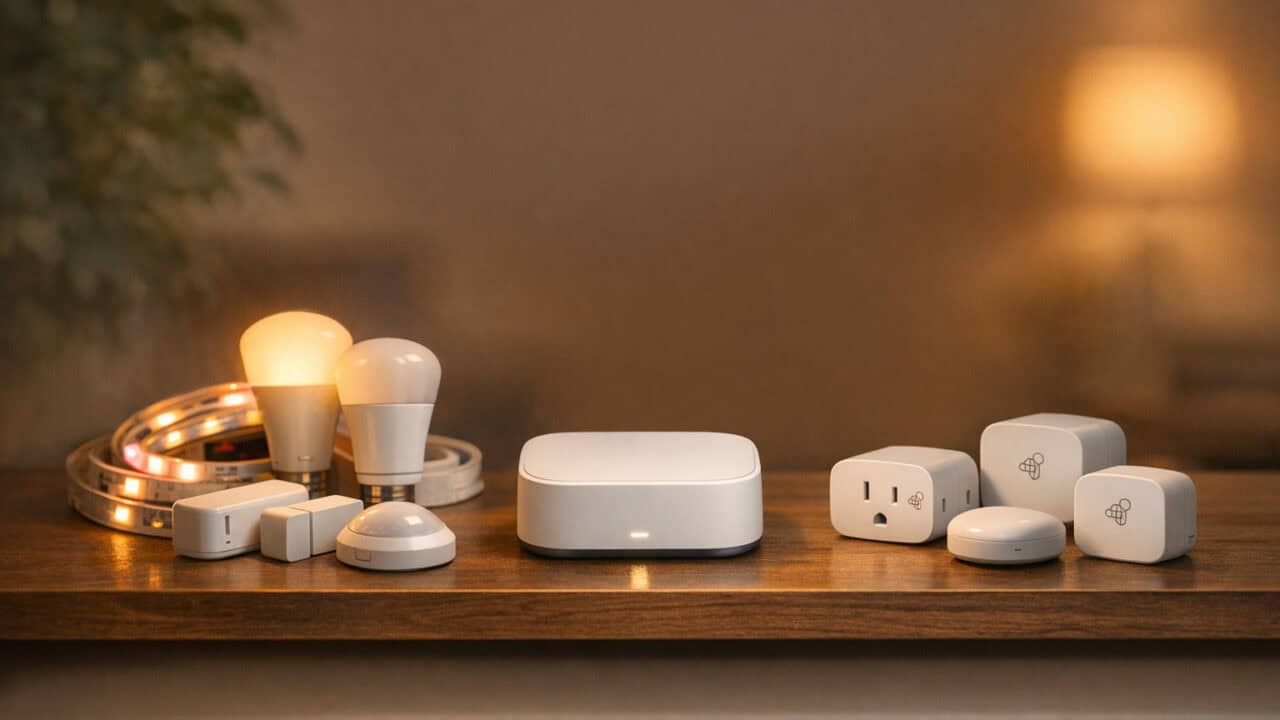
Most homes today are a mix of Wi-Fi, Bluetooth, Zigbee, and sometimes Thread, and Zigbee usually plays nice in that crowd. Hubs like Philips Hue Bridge, Aqara hubs, and many Zigbee USB coordinators can plug into platforms such as Home Assistant, SmartThings, or Apple Home (through Matter bridges), so your Zigbee gear shows up next to Wi-Fi and Thread stuff in one app. That means you can keep using cheaper Zigbee sensors and plugs while slowly adding newer Thread or Matter devices where they make sense.
This mixed approach avoids ripping out working Zigbee gear just to chase the newest logo on the box. For now, if your priority is “lots of gear that just works and does not cost a fortune,” Zigbee still hits a very practical sweet spot.
Buy Thread first when you can, buy Zigbee when it saves money or gets you a device Thread still lacks
Pick Thread first when there’s a good option
If you’re buying a new smart home device and there is a solid Thread version at a similar price, you should buy the Thread one first. Thread devices form a self-healing mesh, use low power, and play nicely with Matter, which makes them easier to move between ecosystems like Apple Home, Google Home, and SmartThings. That means a Thread light bulb or sensor you buy today is less tied to one brand of hub tomorrow. For example, a Thread smart plug that works over Matter can usually be paired to an Apple TV 4K, a Nest Hub Max, or a SmartThings hub without buying a new plug.
This “Thread first” rule is especially helpful if you hate hub lock-in. Instead of buying Zigbee motion sensors that only talk to one company’s hub, you can look for Matter over Thread sensors from brands like Eve, Nanoleaf, or Aqara. You might pay about $5 to $10 more per device compared to older Zigbee models, but you gain easier switching later. That price gap adds up, so it makes sense to use Thread where it counts, like for core devices such as door locks, sensors, and plugs.
Still buy Zigbee when it’s cheaper or Thread doesn’t exist yet
You should still buy Zigbee when the Thread version is missing, weak, or much more expensive. A good example is bargain smart bulbs: you can find Zigbee bulbs for around $8 to $10 each in multipacks, while similar Matter over Thread bulbs might be closer to $15 to $20. If you need 10 bulbs for a whole room, that price difference can easily hit $70 or more. Zigbee also wins for some niche gear like in-wall relays, specialized sensors, and budget remotes where Thread options just are not there yet.
Zigbee is also a safe bet when you want a mature ecosystem with years of proven devices. Platforms like Philips Hue, IKEA Tradfri, and many generic sensors on Amazon still lean heavily on Zigbee.If a Zigbee leak sensor or contact sensor is half the price of the rare Thread alternative, there is nothing wrong with choosing Zigbee and putting the savings toward a better hub or router. The main thing is to avoid paying a premium for older Zigbee gear when a reasonably priced Thread version already exists.
Running Thread and Zigbee together is normal
Having both Thread and Zigbee in the same home is totally normal, and most serious hubs can handle it without drama. Home Assistant users can run a Home Assistant Connect ZBT-1 USB stick in multi-protocol mode for both Zigbee and Thread, though many enthusiasts still prefer separate radios for the most reliable mesh. Aqara’s M3 hub is designed to act as a Matter bridge while still talking to older Zigbee child devices. Samsung’s SmartThings Station has both Thread and Zigbee 3.0 radios built in, so it can talk to either side directly.
Big platforms are moving toward being “multi-protocol” instead of forcing you to pick one radio forever. That means you can keep a pile of $10 Zigbee sensors while slowly adding Matter over Thread plugs, locks, and lights. Over a few years, your setup can shift toward more Thread without trashing the Zigbee gear you already own. The goal is not to replace every Zigbee device at once, but to pick Thread first when you can and let both standards live side by side.
Frequently Asked Questions
Will my existing Zigbee devices work with Thread or Matter, or will I need to replace them?
Your existing Zigbee devices do not natively work over Thread or Matter, so you usually do not get a direct upgrade just through software. Many Zigbee devices can still be used in a Matter setup if you have a compatible hub or bridge that talks to Zigbee on one side and Matter on the other, but that depends on the specific hub you own.
Can a single smart home hub support both Zigbee and Thread at the same time?
Yes, a single smart home hub can support both Zigbee and Thread at the same time if it has the right radios and firmware. Some newer hubs and smart speakers include chips for Wi‑Fi, Bluetooth, Zigbee, and Thread, so they can talk to older Zigbee devices and newer Thread/Matter devices from one place.
Is Thread faster or more reliable than Zigbee for smart home devices?
Thread is generally more reliable than Zigbee for smart home devices, while speed is similar for most everyday uses. Thread builds in features like IPv6 support and better self-healing mesh behavior, which can make connections more stable, especially in larger or more crowded networks.
Do I need a new router or border router to use Thread if I already have a Zigbee network?
Yes, you need a Thread border router to use Thread, because your existing Zigbee hub or router cannot act as one. Some newer smart home hubs and Wi‑Fi routers have Thread built in, but older Zigbee-only hubs will not run Thread without new hardware.
Are Zigbee devices going to stop getting updates now that Thread and Matter are popular?
No, Zigbee devices are not suddenly losing support or updates just because Thread and Matter are getting popular. Many smart home brands still sell and maintain Zigbee products, and large installed bases usually keep getting firmware updates and security fixes for years so customers are not forced to replace working gear.