Google is turning off Google Assistant on phones and other mobile devices and moving people to Gemini, but your Google Home speakers and Nest smart displays are not part of this shutdown, and your Google TV devices are moving to Gemini on a separate schedule of their own. Google confirmed that “Google Assistant is going away on mobile devices” and that “Gemini – our next-generation AI-powered assistant – is now the assistant experience on Android.” For smart-home owners, the key point is simple: this change targets mobile and some wearable and in-car setups, not the speakers and screens around your house.
Your Google Home and Nest smart displays are not part of this shutdown
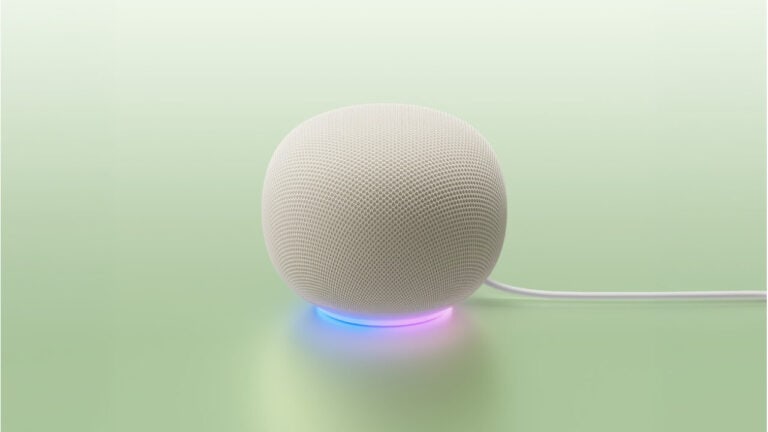
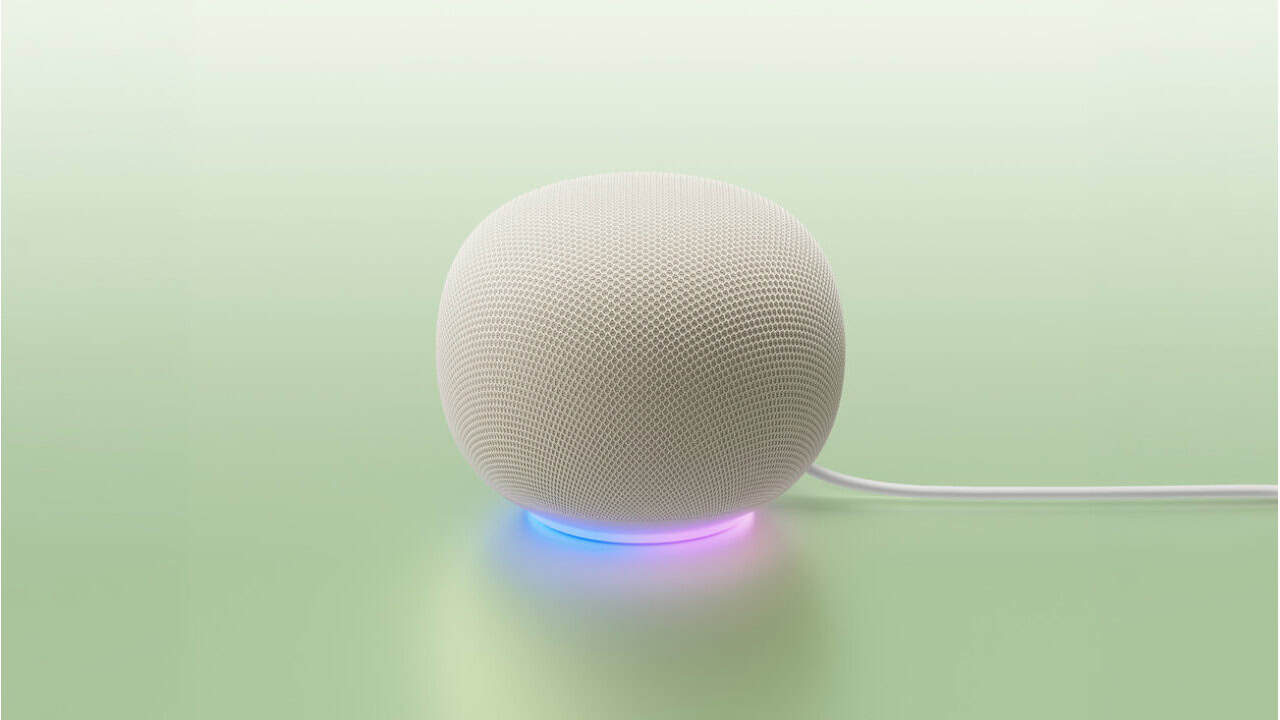
For smart-home gear, three categories matter here: Google Home speakers, Google Nest smart displays, and Google TV devices. Speakers and displays keep Google Assistant beyond September 4, 2026, but speakers, displays and Google TV are each moving to Gemini on their own separate track: Gemini for Home, in early access on Google speakers and displays across twenty countries including the United States, Canada and the UK, and Gemini for TV, which switches on by itself on eligible Google TV hardware and is available in the US and Canada, with Google saying it will reach more devices, languages and regions by late 2026. So if you mainly talk to the speaker in your kitchen or tap on your Nest Hub to control lights, this specific change does not cut off that experience.
Google’s shutdown focuses on mobile and related personal devices, not the stationary hardware in your living room or on your counter. That means your routines, voice commands and daily habits on Google Home speakers and Nest smart displays continue on Google Assistant under this announcement, unless you have already taken the Gemini for Home upgrade. Google TV is further along still: eligible sets and streamers, among them the Google TV Streamer, the Walmart onn. 4K Pro and recent TCL and Hisense models, are already being moved to Gemini for TV. Google says Gemini for TV has no on or off switch, and that removing the TV or streamer from the Google Home app is what puts Google Assistant back. The distinction matters: none of that migration is part of the September 4 removal, and each track runs on its own timeline.
Google Assistant removed from phones and tablets on a rolling schedule
On August 4, 2026, Google told users by email that “Google Assistant is going away on mobile devices.” The company started removing access on September 4, 2026, and said the process may take a few weeks to reach everyone. That means there is no single global shutoff moment. Different people lose access on different days.
Once the change hits a phone or tablet, it does not go back. Google’s own wording is clear: “Once availability is removed, you will no longer be able to use or switch back to Google Assistant on your phone, tablet, or paired devices.” So if you are used to holding the power button or using a gesture to talk to Google Assistant on your Android phone, that same action switches to Gemini at some point in this rollout and stays that way.
Which devices lose Assistant, and which are spared
Google’s removal covers Android phones, Android tablets, Wear OS watches, headphones and earbuds, and Android Auto when it is projected from a phone. On these devices, the assistant you talk to is changing from Google Assistant to Gemini, except in a few special cases. This is where most of the disruption lands, especially if you use your phone or watch as your main way to send voice commands.
There are three clear exceptions. Phones and tablets that fall below Gemini’s minimum system requirements keep Google Assistant for now. Devices in regions where Gemini is not available also keep Google Assistant for now. Google also says a Pixel Tablet keeps Google Assistant while it is locked, including in Hub Mode on its dock, which is how most smart-home owners use one. So some users will keep seeing and using Google Assistant on their own hardware well beyond the main removal dates.
Android Auto: projected from phone vs Google built-in
For drivers, the fine print matters. Google’s removal covers Android Auto when it is projected from a phone, but not every car system that uses Google software. If you plug your phone into a car and Android Auto shows up on the car’s screen, that setup falls under the change.
Cars with Google built-in are treated differently. Those systems keep Google Assistant beyond September 4, 2026 and are not part of this shutdown, though Google says Gemini is now available in cars with Google built-in as an optional upgrade drivers can opt into or out of at any time. So if your car’s infotainment is based on Android but runs its own built-in Google experience, it does not follow the same rule as phone-projected Android Auto in this move away from Google Assistant on mobile devices.
What Gemini does in place of Google Assistant on Android
On Android, Gemini is taking over as the main assistant experience. Google describes it by saying, “Gemini – our next-generation AI-powered assistant – is now the assistant experience on Android.” That means when the rollout reaches you, the same triggers you used to reach Google Assistant on your phone or tablet will instead open Gemini.
Gemini is built to handle standard assistant jobs that people expect. Google says Gemini handles standard assistant commands such as setting timers and playing music requests, alongside its own AI features. So while the name and some behavior change on phones and other affected devices, those familiar basics are still part of what users can ask for once Gemini replaces Google Assistant.
What smart-home owners should expect next
For a home full of Google gear, the split is clear. Mobile devices, Wear OS watches, headphones and earbuds, and phone-projected Android Auto are shifting from Google Assistant to Gemini over several weeks after September 4, 2026, and there is no way to switch those back once the change lands. At the same time, Google Home speakers, Nest smart displays and cars with Google built-in stay on Google Assistant unless you opt into their separate Gemini upgrades, while eligible Google TV devices are already being switched to Gemini for TV automatically.
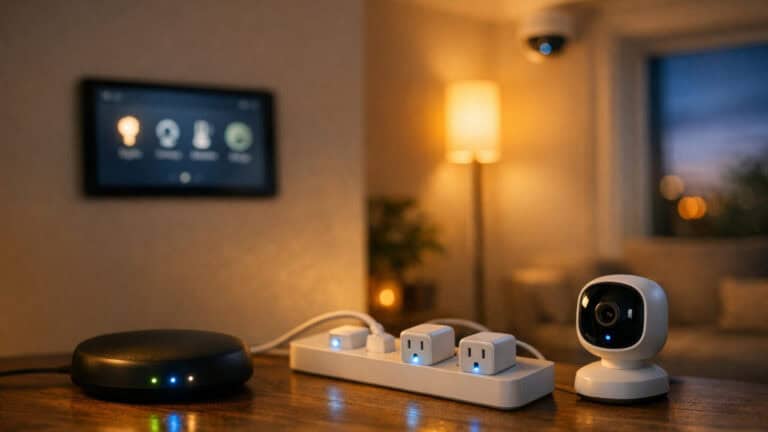
That means your wall plugs, bulbs, and cameras that you talk to through a Nest Hub or Home speaker stay on the same assistant, while your phone becomes the Gemini entry point. During the rollout window, you might see a mix in your own life: Google Assistant still answering from a Nest speaker in the bedroom, while Gemini responds on your phone in your hand. For smart-home owners sorting through confusing headlines, the bottom line is that this particular move targets Google Assistant on mobile devices, while your speakers and smart displays move to Gemini only if you opt into Gemini for Home, and Google TV is being switched over on a separate timeline that is already underway.
View the original press release.