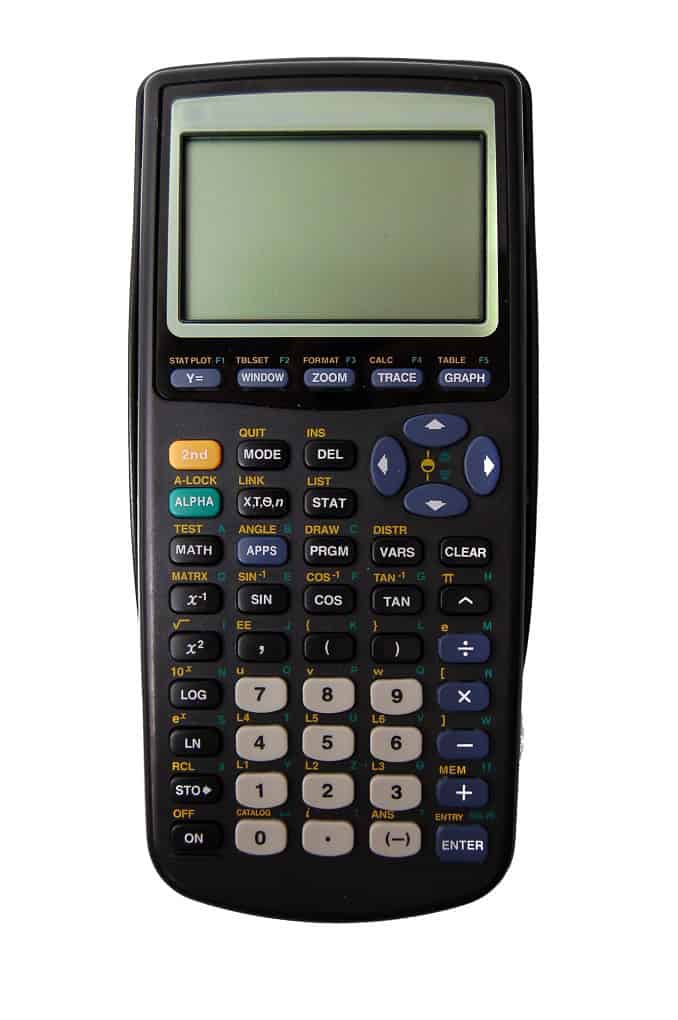
Texas Instruments plans to buy Silicon Labs in a move that ties together two names a lot of engineers and tech fans have known for years. Texas Instruments has long been known for its analog and embedded chips, going back to calculators and early signal processors that many people saw in school labs or on workbenches. Silicon Labs grew up around wireless chips and software that show up inside many smart home and Internet of Things devices. By bringing Silicon Labs into its business, Texas Instruments is aiming to add more wireless know‑how to its own product lines and reach device makers that are building connected products for homes, buildings, and factories.
Silicon Labs has built a strong spot in low power wireless, which fits into things like smart bulbs, locks, thermostats, sensors, and small battery powered gadgets. Its portfolio includes chips and software for standards such as Bluetooth, Thread, Zigbee, Wi‑Fi, and other protocols used in smart home hubs and IoT nodes. Texas Instruments already sells many of the power, analog, and processing parts that sit next to wireless chips on circuit boards. By adding Silicon Labs technology, Texas Instruments can offer more of the full signal chain for connected devices, from sensing and power management to wireless and control, through a single vendor. This appeals to hardware makers that want simpler design choices and long term product roadmaps from one chip supplier.
The deal also puts Texas Instruments in a better spot in the broader IoT and smart home market, where Silicon Labs has a large base of customers and years of experience. Many of the devices that people connect to phone apps or smart speakers today rely on Silicon Labs wireless parts, even if most users never see the brand name. With this acquisition, Texas Instruments gets access to that customer base, along with the software tools, development kits, and reference designs that those customers already use. Over time, Texas Instruments can fold these tools into its own ecosystem, which already includes extensive support for embedded developers, long product life cycles, and large scale manufacturing.
From a technology point of view, the two companies bring different strengths that line up in a practical way. Texas Instruments has depth in analog signal paths, power management, motor control, industrial interfaces, and microcontrollers that end up in factory gear, cars, and consumer electronics. Silicon Labs focuses more on wireless SoCs, security features for connected devices, and software stacks that make it easier to bring products online and keep them updated. Combining these lines can help Texas Instruments move further into smart home, smart building, and low power connected sensing, while still supporting its long standing markets in industrial and automotive systems. It also gives Texas Instruments more in house wireless talent at a time when more devices, even simple ones, are shipping with some kind of network connection.
The acquisition is also about scale and long term plans. Texas Instruments has large fabrication, packaging, and testing capacity and a history of shipping high volume parts for many years. Silicon Labs brings product families that are widely used but come from a smaller company structure. Under Texas Instruments ownership, those wireless parts can benefit from larger supply chain resources and long range planning on process nodes and production, which can matter to device makers who design products that stay in the field for a decade or more. For Texas Instruments, this is a way to deepen its catalog with wireless parts that are already proven in the market instead of building a similar portfolio from scratch.
For people who have followed both companies over the years, the move has a certain nostalgic feel. Texas Instruments is one of the classic American chip names, seen in calculators in classrooms and in many early consumer gadgets. Silicon Labs is part of a later wave of semiconductor companies that rode the rise of wireless and the growth of smart home gear. By bringing them together, Texas Instruments is trying to connect its long history in analog and embedded systems with the world of wireless IoT and smart home devices that live in homes and offices today. The deal is about taking that older base of know how and extending it further into connected products, while keeping the focus on practical hardware that sits quietly inside the devices people use every day.
View the original press release.