The INSIDE Institute for NeuroAI has shared new results that show brain-computer interface (BCI) technology is now being used outside of research labs. These new tests use non-invasive devices, which means they do not need surgery or implants. The INSIDE Institute’s work shows that people can use BCIs in daily settings, not just in special labs. This is a change from most BCI work, which has usually required either complex lab equipment or direct brain implants.
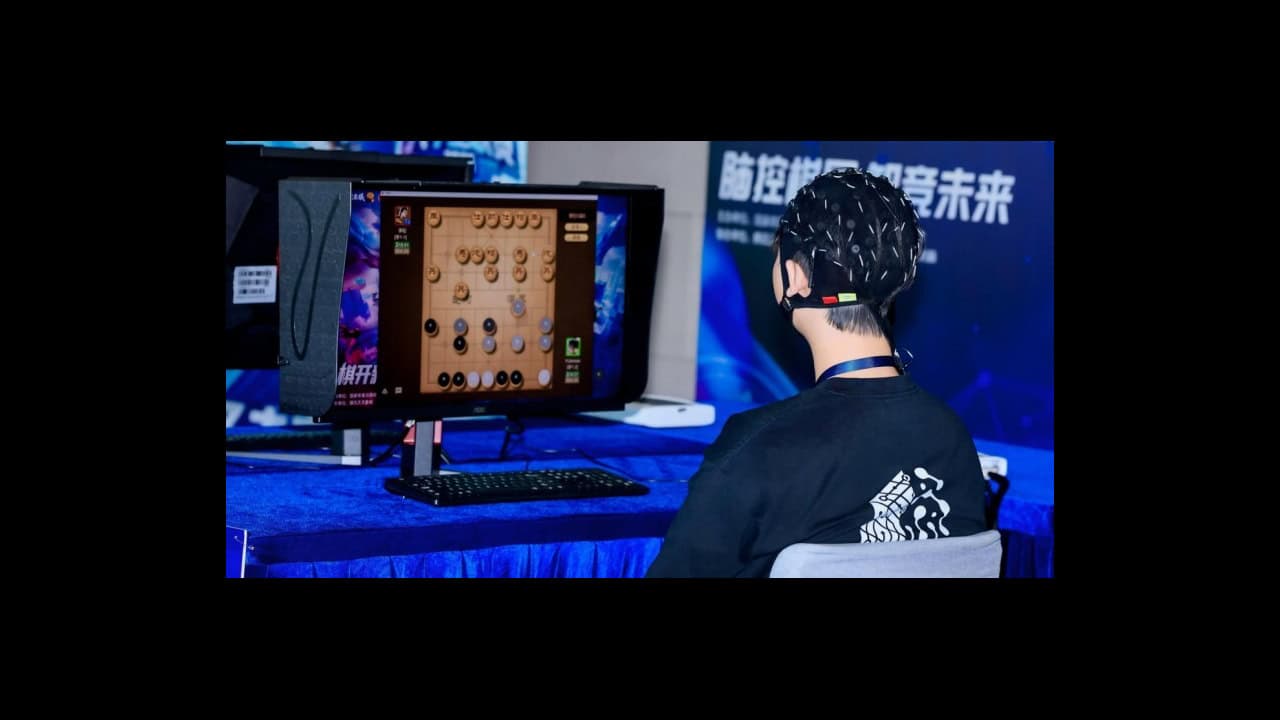
In a recent demonstration, participants in the 2025 National Amateur Chinese Chess Championship used a lightweight EEG cap to play chess. This headset is non-invasive and relatively easy to put on. Participants in the competition had no prior experience using a BCI to control a computer with their brain alone, yet were quickly able to move and place chess pieces.
Researchers at the INSIDE Institute focus on using brain signals to control devices. Their team sets up tests where people wear headsets that pick up electrical signals from the brain through the scalp. With these headsets, users are able to control computers, robotic arms, and other devices just by thinking about certain movements or actions. The main point of these tests was to see if the technology could work in places like homes or offices, not just in science labs.
The study found that people could use these headsets to do tasks like moving a cursor on a screen, typing words, and even operating simple machines. The headsets are designed to be light and do not need any surgery, so users can put them on and take them off easily. The technology uses algorithms to read the brain’s signals, then translates those signals into commands that a computer can understand. According to the INSIDE Institute, the accuracy of these systems is now high enough for practical use outside the lab.
In their report, the INSIDE Institute said that this kind of non-invasive BCI could help people with limited movement or other physical challenges. Instead of needing special equipment or trained staff, users can work with these devices at home. The headsets also do not carry the risks that come with surgery, which is often needed for older types of BCIs. The team says that as the technology gets better, more people could use these systems in daily life for things like communication, work, and entertainment.
The INSIDE Institute’s work points to a future where non-invasive brain-computer interfaces are common tools for people who need them. The group plans to keep testing and improving the technology. They will focus on making the devices comfortable, easy to use, and more accurate. As they do more studies, the team expects to see these headsets being used in different settings, giving more people access to BCI tools without needing to visit a research lab.
View the original press release.